Can patients exercise like normal individuals after surgery for congenital heart disease?
Feb 27, 2023
Source: Cainiu Health

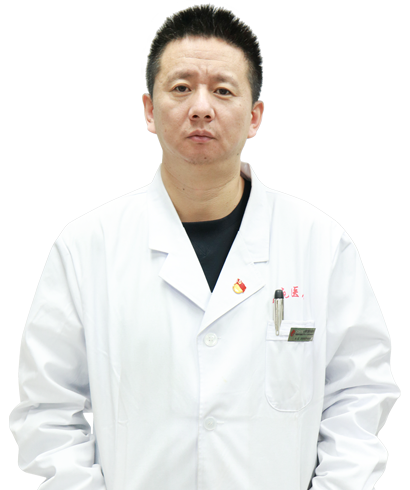
Dr. Li Man
Introduction
Whether patients can engage in physical activities like healthy individuals after congenital heart disease surgery depends on their recovery status. Patients with congenital heart disease should strictly follow their doctor's instructions for treatment, which generally does not affect normal growth and development. After surgery, light exercise under the guidance of a healthcare professional is acceptable, but vigorous or intense physical activity is not recommended.
Whether patients can engage in physical activities like healthy individuals after congenital heart disease surgery depends on their individual recovery.
For most types of congenital heart defects, timely surgical or interventional treatments involve procedures such as cardiopulmonary bypass, incisions in myocardial tissue, repairs or repositioning within the heart chambers, sternotomy, and skin incisions—all of which require a healing and recovery period lasting 3 to 6 months. After this period, once complete recovery is achieved, normal physical activity can usually resume.
However, if recovery is inadequate and intense exercise is performed, symptoms may be triggered due to factors such as hypoxia, potentially leading to the need for further treatment. Excessive surgeries can weaken the patient's overall health and result in poorer prognosis.
Patients with congenital heart disease are advised to strictly follow medical guidance during treatment, which generally prevents any adverse impact on growth and development. After surgery, light exercise under the supervision of a healthcare professional is acceptable, but vigorous physical activity is not recommended. Adequate rest and adherence to medical advice for maintaining a healthy lifestyle are essential.