


What medication should be taken for chest tightness and shortness of breath after recovering from a positive COVID-19 infection?
Mar 25, 2023
Source: Cainiu Health

Dr. Guo Xiheng
Introduction
"Yanghou" generally refers to the period after infection with the novel coronavirus. Chest tightness and shortness of breath following a COVID-19 infection may be caused by physical fatigue, anxiety, improper breathing patterns, viral myocarditis, pneumonia, or other factors. Improvement can be made according to the specific cause, and appropriate medications should be used under medical guidance. It is recommended to seek timely medical attention and receive treatment under the direction of a healthcare professional.
“Post-Yang” generally refers to the period after infection with the novel coronavirus. Chest tightness and shortness of breath following a COVID-19 infection may be caused by physical fatigue, anxiety, improper breathing patterns, viral myocarditis, or pneumonia. Management should be tailored according to the specific cause, and appropriate medications should be used under medical guidance. It is recommended to seek timely medical evaluation and treatment under the supervision of a healthcare professional.
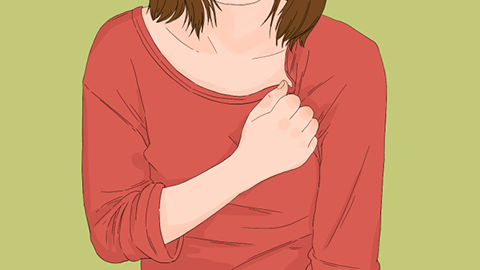
1. Physical fatigue: After viral infection, the body becomes weak and energy expenditure increases. Chest tightness and shortness of breath may occur easily after excessive activity. Medication is usually not required. Focus instead on adequate rest, ensuring 7–8 hours of sleep per day, and avoid strenuous exercise and heavy physical labor to allow the body to gradually recover.
2. Anxiety: Some individuals may develop anxiety due to concerns about their health after infection, which can lead to nervous system dysfunction and result in chest tightness and shortness of breath. Medication is typically unnecessary. It is recommended to actively adjust one's mindset and relieve anxiety through activities such as listening to music or watching movies to promote relaxation.
3. Improper breathing patterns: Some patients may adopt shallow, rapid breathing due to discomfort after infection, reducing ventilation efficiency and causing chest tightness and shortness of breath. Medication is generally not needed. Practicing deep breathing exercises, such as diaphragmatic breathing—inhaling slowly through the nose to expand the abdomen, then exhaling slowly through the mouth while contracting the abdomen—can help improve respiratory function.
4. Viral myocarditis: The novel coronavirus may invade myocardial cells, triggering myocarditis and impairing heart function, leading to symptoms such as chest tightness and shortness of breath. Under a doctor’s guidance, patients may use medications such as Coenzyme Q10 capsules, Vitamin C tablets, or Potassium Magnesium Aspartate tablets to alleviate symptoms.
5. Pneumonia: When the novel coronavirus infects the lungs, it causes pulmonary inflammation that may impair gas exchange, resulting in chest tightness and shortness of breath. Patients should follow medical advice and take medications such as Azvudine tablets, Ribavirin granules, or Acyclovir tablets to manage symptoms.
During treatment, patients should maintain a light diet and avoid spicy or greasy foods to prevent interference with recovery. It is essential to develop healthy lifestyle habits, avoid overexertion, and refrain from intense physical activity to prevent worsening symptoms.





