What is spontaneous peritonitis and how should it be managed?
Mar 28, 2023
Source: Cainiu Health

Dr. Li Feng
Introduction
Spontaneous peritonitis refers to peritonitis arising from intrinsic causes, also known clinically as primary peritonitis. It is mainly caused by bacterial infections such as hemolytic streptococcus and Escherichia coli. In daily life, it is important to get adequate rest and sufficient sleep, maintain a balance between work and relaxation, engage in appropriate exercise, and enhance overall bodily resistance.
Spontaneous bacterial peritonitis may be caused by factors such as low immunity, intestinal flora imbalance, ascites infection, liver cirrhosis, and nephrotic syndrome. Improvements can be made depending on the specific condition. It is recommended to seek timely medical attention at a hospital and receive treatment under the guidance of a physician.
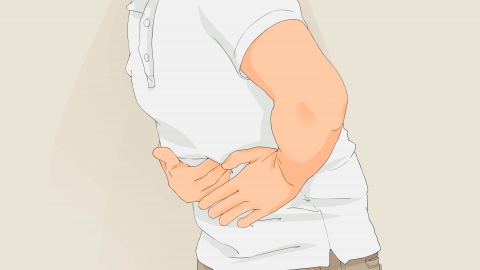
1. Low Immunity
Chronic sleep deprivation, excessive fatigue, malnutrition, and similar factors can lead to reduced immune function, allowing bacteria normally residing in the intestines to translocate into the abdominal cavity and trigger spontaneous bacterial peritonitis. Maintain a regular sleep schedule, avoid staying up late, and ensure 7–8 hours of adequate sleep daily. Pay attention to balanced nutrition by consuming foods rich in protein, vitamins, and other essential nutrients.
2. Intestinal Flora Imbalance
Long-term and extensive use of broad-spectrum antibiotics or an unhealthy diet may disrupt the natural balance of intestinal flora, leading to overgrowth and translocation of harmful bacteria, which can cause spontaneous bacterial peritonitis. Use antibiotics appropriately and avoid misuse; strictly follow medical instructions when taking medication. Adjust dietary habits by increasing fiber intake and eating more whole grains, vegetables, and other high-fiber foods.
3. Ascites Infection
Diseases such as liver cirrhosis can lead to significant ascites accumulation, which serves as a favorable culture medium for bacteria. Poor hygiene practices—such as inadequate skin cleaning—may allow bacteria to enter the ascitic fluid and cause spontaneous bacterial peritonitis. Practice proper skin care by keeping the skin clean and dry, and regularly change clothes and bed linens. Avoid scratching the skin to prevent breaks in the skin that could lead to infection.
4. Liver Cirrhosis
Impaired liver function leads to portal hypertension and hypoalbuminemia, resulting in ascites formation. At the same time, the mononuclear phagocyte system in the liver becomes weakened, increasing the risk of bacterial translocation from the gut and predisposing patients to spontaneous bacterial peritonitis. Under a doctor's supervision, medications such as bumetanide tablets, Anluo Huaxian pills, and entecavir tablets may be used to alleviate symptoms.
5. Nephrotic Syndrome
Excessive loss of protein in the urine leads to hypoalbuminemia, decreased colloid osmotic pressure, and the development of ascites and edema. Immune dysfunction also increases susceptibility to infections, potentially triggering spontaneous bacterial peritonitis. Patients may take medications such as piperacillin-tazobactam for injection, ceftriaxone sodium for injection, and furosemide tablets as directed by their physician to improve symptoms.
In daily life, patients are advised to actively cooperate with treatment and maintain a light, healthy diet. Good living habits should be cultivated, avoiding overexertion and strenuous physical activity to prevent discomfort. Appropriate exercises such as walking or jogging, tailored to individual health conditions, are recommended to enhance physical resistance and support recovery.