Where does the anterior choroidal artery originate?
Jun 05, 2023
Source: Cainiu Health
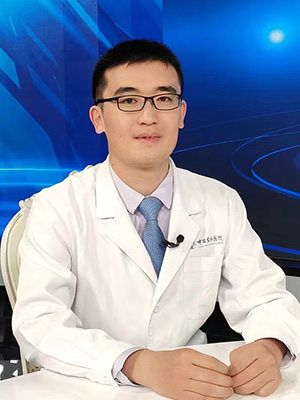
Dr. Zhang Jianbin
Introduction
The anterior choroidal artery usually originates from the internal carotid artery, though in rare cases it may arise from the middle cerebral artery or the anterior cerebral artery. This artery runs posteriorly beneath the optic tract, passing between the cerebral peduncle and the sulcus, then enters the inferior portion of the choroidal fissure, where it anastomoses with the choroid plexus arteries of the lateral ventricle and the posterior choroidal arteries. In general, when abnormalities of the anterior choroidal artery are present, prompt medical evaluation at a hospital is recommended.
The anterior choroidal artery usually originates from the internal carotid artery, with a detailed analysis as follows:
The anterior choroidal artery is one of the branches of the internal carotid artery. In 96% to 99.5% of individuals, it arises from a small artery on the posterior wall of the internal carotid artery, located 2–5 mm distal to the origin of the posterior communicating artery. This artery travels posteriorly beneath the optic tract, passing between the cerebral peduncle and the ambient groove, then enters the inferior portion of the choroidal fissure, where it anastomoses with the choroid plexus of the lateral ventricle and the posterior choroidal arteries. It is characterized by a long course and a narrow lumen, making it prone to vascular occlusion. Typically, occlusion of the anterior choroidal artery itself does not lead to infarction in its territory; infarction occurs only when terminal branches are blocked or when there is occlusion of the main trunk combined with poor collateral circulation. This may result in anterior choroidal artery infarction, leading to symptoms such as aphasia, impaired cognitive function, and headache.
Generally, if abnormalities involving the anterior choroidal artery are suspected, prompt medical evaluation and treatment at a hospital are recommended.