


Why does my stomach hurt from acid after eating lunch and taking a nap, and what should I do about it?
Jun 05, 2023
Source: Cainiu Health

Dr. Shen Yonghua
Introduction
Stomach acid pain after eating and taking a nap may be caused by improper diet, poor posture, cold exposure to the abdomen, gastritis, gastric ulcers, etc., and can be improved according to the specific cause. It is recommended to seek timely medical attention at a hospital and receive treatment under a doctor's guidance. Adjust dietary habits by choosing light, easily digestible foods for lunch, such as rice porridge, noodles, and vegetables.
Stomach acid pain after eating lunch and taking a nap may be caused by improper diet, poor posture, abdominal cooling, gastritis, or gastric ulcers. Improvements can be made according to the specific cause. It is recommended to seek timely medical attention at a hospital and receive treatment under the guidance of a physician.
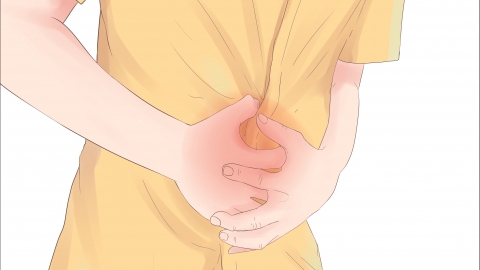
1. Improper Diet
Consuming excessive spicy, greasy, acidic, or other irritating foods during lunch, or eating too quickly or overeating, can increase gastric acid secretion and irritate the gastric mucosa, potentially leading to stomach acid pain during a nap. Adjust eating habits by choosing light, easily digestible foods such as porridge, noodles, and vegetables for lunch. Chew food thoroughly and avoid binge eating.
2. Poor Posture
Incorrect sleeping posture during a nap—such as lying face down on a desk or reclining with the head too low—can make it easier for stomach acid to reflux into the esophagus, irritating the esophageal lining and causing stomach pain. Try to adopt a proper napping position, such as lying on a sofa or bed, with the head slightly elevated. Use a pillow to raise the head 15–20 cm to maintain airway patency and reduce the likelihood of acid reflux.
3. Abdominal Cooling
Failure to keep the abdomen warm during a nap, especially in air-conditioned rooms, may lead to abdominal chilling if the abdomen is exposed or covered with a thin blanket. This can trigger gastrointestinal spasms and disrupt gastric acid secretion, resulting in stomach acid pain. Keep the abdomen warm during naps by using a light blanket or wearing warming garments such as belly wraps, avoiding direct exposure of the abdomen to cold air.
4. Gastritis
Chronic damage to the gastric mucosa due to factors such as *Helicobacter pylori* infection, medication irritation, or alcohol consumption can lead to inflammation of the stomach lining. After eating, increased gastric acid secretion stimulates the damaged mucosa, potentially worsening discomfort during a nap and causing stomach acid pain. Patients may follow medical advice to take medications such as omeprazole enteric-coated capsules, hydrotalcite chewable tablets, or amoxicillin capsules.
5. Gastric Ulcer
Under long-term effects such as *Helicobacter pylori* infection or excessive gastric acid secretion, ulcers can form in the gastric mucosa. After meals, increased gastric acid production can irritate the ulcer site, causing pain that may become more noticeable during a nap. Under a doctor's guidance, patients may commonly use medications such as ranitidine capsules, bismuth potassium citrate granules, or clarithromycin tablets to relieve symptoms.
In daily life, it is recommended to maintain a light diet and avoid spicy or irritating foods such as garlic, hot pot, and mustard. Adequate rest should be ensured, and excessive fatigue should be avoided to prevent adverse effects on health.





