


Why do I always pass gas in the afternoon after eating lunch, and what should I do about it?
Jun 05, 2023
Source: Cainiu Health

Dr. Shen Yonghua
Introduction
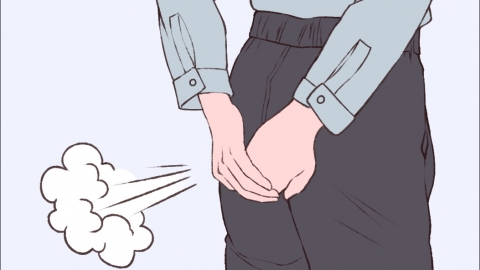
Flatulence refers to the passage of gas. Experiencing frequent flatulence in the afternoon after lunch may be related to improper diet, poor eating habits, abdominal chilling, indigestion, or intestinal flora imbalance. This condition can be managed through dietary adjustments or medication. Consuming foods such as soy products, onions, and chili peppers regularly may lead to bacterial breakdown of food in the intestines, resulting in gas production.
Farting refers to the release of gas. Experiencing frequent gas passage in the afternoon after lunch may be related to improper diet, poor eating habits, cold exposure to the abdomen, indigestion, or intestinal flora imbalance. Treatment can include dietary adjustments and medication. Specific causes are analyzed as follows:
1. Improper Diet
Regular consumption of foods high in fiber or difficult to digest—such as soy products, onions, garlic, and chili peppers—may lead to bacterial breakdown of food in the intestines, producing gas. This can result in symptoms such as bloating, flatulence, and abdominal pain. It is recommended to maintain a light diet during this time and avoid the aforementioned foods to prevent worsening of symptoms.
2. Poor Eating Habits
Eating too quickly or talking while eating can cause large amounts of air to be swallowed along with food into the gastrointestinal tract. As this air accumulates and moves through the digestive system with intestinal peristalsis, it leads to flatulence. It is advised to correct unhealthy eating habits by chewing food thoroughly, eating slowly, and avoiding talking or laughing during meals.
3. Cold Exposure to the Abdomen
If the abdomen becomes chilled after eating—due to wearing insufficient clothing or spending prolonged time in a low-temperature air-conditioned environment—intestinal motility may be altered. This can compress existing gas in the intestines, leading to increased flatulence. It is important to keep the abdomen warm by wearing adequate clothing, especially in cold weather or air-conditioned environments.
4. Indigestion
If intestinal digestive function is impaired, food may remain in the intestines for extended periods, potentially causing excessive gas, stomach discomfort, bloating, nausea, and other symptoms due to indigestion. In such cases, patients may take medications such as domperidone tablets, Baohe pills, or compound digestive enzyme capsules under medical supervision.
5. Intestinal Flora Imbalance
The human intestine hosts a large number of beneficial bacteria and probiotics that play a crucial role in digestion and nutrient absorption. When gut microbiota become unbalanced, harmful bacteria may overgrow, leading to excessive gas production, diarrhea, constipation, and other symptoms. Patients may take medications such as *Bacillus subtilis* bifidus granules, *Bifidobacterium* triple viable powder, or lactasin tablets under medical guidance.
In daily life, maintain a light diet and avoid spicy or irritating foods such as garlic, spicy hot pot, and mustard. Additionally, ensure adequate rest and avoid excessive fatigue to protect overall health.





