


What should hibiscus (roselle) not be steeped with?
Mar 03, 2024
Source: Cainiu Health

Dr. Zhang Xiuhong
Introduction
Under normal circumstances, roselle (Hibiscus sabdariffa) should not be steeped with milk, tea, carrots, Epimedium, American ginseng, or other similar ingredients to avoid potential adverse effects. Detailed analysis is as follows: If noticeable discomfort occurs after consuming roselle, medical attention should be sought promptly to prevent negative impacts on health.
Hibiscus is generally not recommended to be steeped together with milk, tea, carrots, Epimedium (Yinyanghuo), American ginseng, or similar items, as this may lead to adverse effects. The specific analysis is as follows:
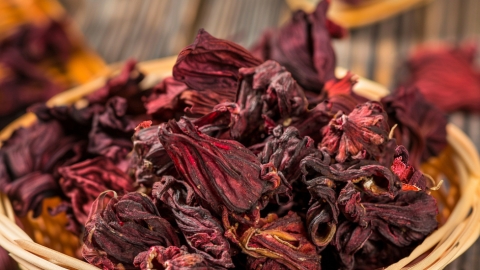
1. Milk
Hibiscus contains abundant organic acids such as fruit acid and malic acid. When combined with the proteins in milk, it may increase the burden on the human gastrointestinal tract, leading to indigestion, abdominal pain, and other adverse reactions.
2. Tea
Hibiscus contains an organic compound called tannic acid, and tea also contains large amounts of tannic acid. Consuming both together may irritate the gastric mucosa, cause excessive gastric acid secretion, and trigger discomfort symptoms such as bloating and abdominal pain.
3. Carrot
Hibiscus is rich in vitamin C, while carrots contain large amounts of active enzymes that may destroy the nutrients in hibiscus. Blindly combining them for consumption may reduce the nutritional value of hibiscus.
4. Epimedium (Yinyanghuo)
Epimedium is a traditional Chinese medicinal herb used for tonifying the kidneys and enhancing yang energy. Hibiscus is considered cold in nature, whereas Epimedium is warm in nature. Combining the two may interfere with the efficacy of hibiscus and potentially lead to diarrhea, abdominal pain, or other issues.
5. American Ginseng
American ginseng is a traditional Chinese herb known for replenishing qi and nourishing yin. It is also considered cold in nature. When taken with hibiscus, its cooling properties may further reduce the effectiveness of hibiscus and lead to bodily chilliness, which is detrimental to health.
If noticeable discomfort occurs after consuming hibiscus tea, medical attention should be sought promptly to prevent adverse health effects.


