


What are the symptoms of parotid duct stones?
Mar 30, 2024
Source: Cainiu Health

Dr. Liu Chao
Introduction
Parotid duct stones often cause pain and localized swelling in the parotid region, especially during eating, which stimulates salivary secretion from the parotid gland and thereby exacerbates symptoms of pain and swelling. The pain may present as a constant dull ache or intermittent sharp pain, while swelling typically occurs in the parotid area below the earlobe. Due to obstruction of normal saliva flow by the stone, patients may experience dryness of the mouth.
Parotid duct stones are a condition that causes pain and swelling in the parotid gland. Symptoms of parotid duct stones include pain and swelling, dry mouth, pain in the area below the cheekbone, difficulty opening the mouth, fever, and others. If you experience any discomfort, it is recommended to seek medical attention promptly. The details are as follows:
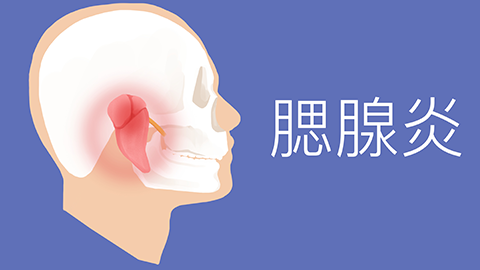
1. Pain and swelling: Parotid duct stones often cause pain and localized swelling in the parotid region, especially during eating, which stimulates saliva secretion and thereby worsens symptoms of pain and swelling. The pain may present as a persistent dull ache or intermittent sharp pain, while the swelling typically occurs in the parotid area beneath the earlobe.
2. Dry mouth: Because the stone obstructs the normal flow of saliva, patients may experience dry mouth, which can lead to oral discomfort and difficulty chewing food.
3. Pain below the cheekbone: The location of the stone determines the specific site of pain, commonly occurring in the region below the zygomatic arch, and may radiate to the face and neck.
4. Difficulty opening the mouth: If the parotid duct stone is large, it may cause pain and discomfort when opening the mouth, affecting normal jaw movement and chewing function.
5. Fever: Some patients may also develop systemic symptoms such as fever, chills, and loss of appetite. Oral malodor is another possible symptom, resulting from impaired saliva flow and bacterial overgrowth caused by the stone.
Once diagnosed, treatment should follow medical advice based on the size and location of the stone, using medications such as lithotriptic granules, Lysimachiae herba (Jinqiancao) granules, and vitamin C tablets. In daily life, patients should maintain good oral hygiene and avoid consuming excessively hard or cold foods to reduce irritation to the parotid gland.








