


Heart rate of 120 beats per minute, feeling heart pain—what could be the cause and what should I do?
Apr 29, 2024
Source: Cainiu Health

Dr. Tian Hongbo
Introduction
Under normal circumstances, a heart rate of 120 beats per minute accompanied by chest pain may be related to factors such as high mental stress, intense physical activity, arrhythmia, hyperthyroidism, or myocarditis. It is recommended to seek medical attention promptly and receive treatment under the guidance of a physician. During recovery, adequate rest should be ensured and overexertion avoided. Additionally, a light diet is advised, with increased intake of fresh vegetables and fruits.
Under normal circumstances, a heart rate of 120 beats per minute accompanied by chest pain may be related to factors such as high mental stress, intense physical exercise, arrhythmia, hyperthyroidism, or myocarditis. It is recommended to seek medical attention promptly and receive treatment under the guidance of a physician. Specific analysis is as follows:
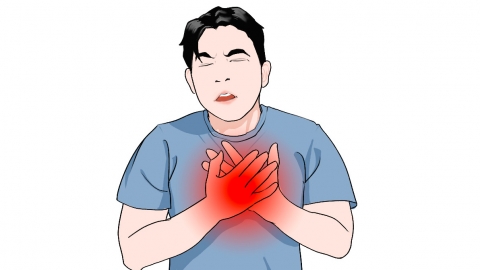
1. High mental stress: When experiencing excessive psychological stress, the sympathetic nervous system becomes overactive and releases adrenaline, which may lead to an increased heart rate. Long-term mental stress can also increase cardiac workload, potentially causing chest pain or discomfort. It is recommended to relieve stress through activities such as jogging or yoga, and maintain a positive mood.
2. Intense exercise: During vigorous physical activity, the body requires more oxygen and nutrients, prompting the heart to increase both contraction strength and rate to meet these demands, resulting in a higher heart rate. If the body is unable to adapt to the exertion, or if underlying cardiovascular issues exist, intense exercise may trigger chest pain or discomfort. Reducing exercise intensity and frequency may help alleviate symptoms.
3. Arrhythmia: Certain arrhythmias, such as atrial fibrillation or ventricular tachycardia, can cause a rapid increase in heart rate and may be accompanied by chest pain or discomfort. Treatment may include medications such as quinidine sulfate tablets, propafenone hydrochloride tablets, or procainamide hydrochloride tablets, as prescribed by a doctor.
4. Hyperthyroidism: Hyperthyroidism occurs when the thyroid gland produces excessive amounts of thyroid hormones. These elevated hormone levels accelerate the body's metabolic processes, including those of the heart. Symptoms may include rapid heartbeat, palpitations, chest tightness, and chest pain. It is recommended to follow medical advice and use medications such as carbimazole tablets or Xiaokugucao Granules to manage the condition.
5. Myocarditis: Myocarditis refers to inflammation of the heart muscle that impairs its function, potentially leading to increased heart rate and chest pain. Management may involve medications such as lisinopril capsules, losartan potassium-hydrochlorothiazide tablets, or enalapril maleate tablets, as directed by a physician.
During recovery, adequate rest should be ensured and overexertion avoided. A light diet rich in fresh vegetables and fruits is recommended to support the healing process.




