


What causes female alopecia areata?
May 21, 2024
Source: Cainiu Health
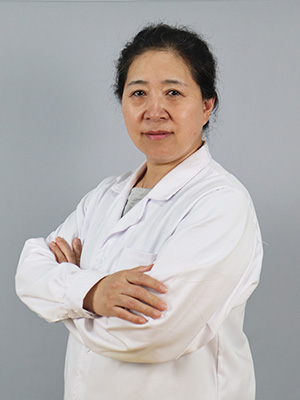
Dr. Wang Xiaoyan
Introduction
Female alopecia areata is often associated with high levels of stress, genetics, endocrine disorders, hyperthyroidism, and vitiligo. Excessive mental stress can affect the function of the cerebral cortex; genetic factors and endocrine abnormalities may attack hair follicles, increasing the risk of developing the condition. Poor blood supply to the scalp also impairs hair growth. If any symptoms occur, prompt medical attention is recommended.
Generally, female alopecia areata may be associated with high levels of mental stress, genetic factors, endocrine disorders, hyperthyroidism, vitiligo, and other conditions. It is recommended to seek timely medical attention, identify the underlying cause, and receive symptomatic treatment under the guidance of a qualified physician. Specific analyses are as follows:
1. High Mental Stress
Long-term psychological stress or anxiety may lead to autonomic nervous system dysfunction, affecting blood circulation and nutrient supply to hair follicles, thereby triggering alopecia areata. This may be accompanied by symptoms such as insomnia, anxiety, and depression. It's important to learn how to regulate one's mindset, maintain a positive and optimistic attitude, and avoid excessive anxiety or tension in daily life.
2. Genetics
Alopecia areata has a certain hereditary component; individuals with a family history of the condition are more likely to develop it. These genetic variations may affect the hair growth cycle, making hair follicles more susceptible to external influences leading to hair loss. Treatment options under medical supervision include topical minoxidil solution, dithranol ointment, and oral prednisone tablets.
3. Endocrine Disorders
Nutritional imbalances, environmental pollution, and emotional states such as anxiety, irritability, and stress can all contribute to endocrine disruption. Hormonal imbalances may lead to hair follicle atrophy and result in alopecia areata. Symptoms may include irregular menstruation and skin problems. Under a doctor’s guidance, medications such as ethinyl estradiol/cyproterone acetate tablets, medroxyprogesterone acetate tablets, and hydrocortisone injection may be used for treatment.
4. Hyperthyroidism
Hyperthyroidism, also known as overactive thyroid, occurs when the thyroid gland becomes overly active and produces excess thyroid hormones. Conditions such as thyroid nodules or consuming foods high in iodine may trigger hyperthyroidism. The resulting accelerated metabolism can impair nutrient delivery and disrupt the hair growth cycle, potentially leading to alopecia areata. Symptoms may include palpitations, excessive sweating, and weight loss. Medications such as methimazole tablets, propylthiouracil tablets, and propranolol hydrochloride tablets should be taken as prescribed by a physician.
5. Vitiligo
Vitiligo develops due to a combination of internal and external factors such as emotional stress, anxiety, and exposure to chemical substances, which may lead to immune dysfunction and metabolic disturbances, resulting in destruction of melanocytes or impaired melanin production, causing white patches. Vitiligo may affect the normal function of melanocytes in hair follicles, contributing to alopecia areata. Treatment should follow medical advice and may include halometasone cream, mometasone furoate cream, and triamcinolone acetonide injection.
To prevent female alopecia areata, it is important to manage emotions effectively, avoid excessive mental stress, maintain hormonal balance, prevent scalp infections, and pay attention to family medical history.






