


心跳加快心慌是WhatCause
Jun 29, 2024
Source: Cainiu Health
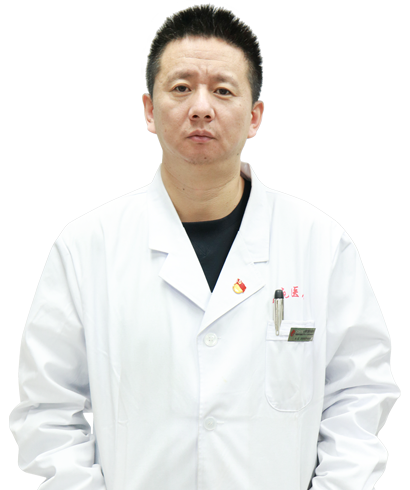
Dr. Wang Xin
Introduction
心跳加快心慌可能是剧烈Exercise、情绪激动、不良Life习惯、甲状腺功能亢进症、贫血等Cause引起的。平时应注意保持规律的作息,避免剧烈Exercise后立即停止活动,学会调节情绪和压力,保持Health的Life方式,并定期Examination身体Health状况。
Generally, palpitations and increased heart rate may be caused by intense physical activity, emotional excitement, unhealthy lifestyle habits, anemia, hyperthyroidism, or other reasons. If discomfort occurs, it is recommended to seek medical attention promptly. Specific analyses are as follows:
1. Intense Physical Activity
During intense exercise, the body requires more oxygen and energy. The heart beats faster to pump more blood to muscles and other organs, leading to symptoms such as increased heart rate and palpitations. After vigorous exercise, it is advisable to rest appropriately to allow the heart to gradually return to its normal state.
2. Emotional Excitement
When emotionally excited, the sympathetic nervous system is activated and releases neurotransmitters that stimulate the heart, causing it to beat faster, resulting in palpitations and a rapid heartbeat. Practicing relaxation techniques such as deep breathing and meditation can help manage emotions and reduce these symptoms.
3. Unhealthy Lifestyle Habits
Chronic sleep deprivation, excessive fatigue, smoking, and alcohol consumption can damage heart health and affect the heart's rhythm and conduction system, leading to increased heart rate and feelings of palpitations. It is important to improve daily habits, ensure adequate sleep, avoid overexertion, quit smoking, and limit alcohol intake.
4. Anemia
Anemia is primarily caused by malnutrition, iron deficiency, or excessive blood loss, resulting in insufficient quantity or quality of red blood cells in the blood. This leads to inadequate oxygen supply to organs, prompting the heart to increase its rate to meet the body’s oxygen demands, thus causing the aforementioned symptoms. Additional symptoms may include pale complexion, fatigue, and dizziness. Treatment should follow medical advice and may include medications such as ferrous sulfate tablets, folic acid tablets, or ferrous fumarate granules.
5. Hyperthyroidism
Hyperthyroidism is caused by excessive secretion of thyroid hormones, which accelerates the body's metabolism and increases heart rate, leading to the symptoms described above. It is commonly accompanied by increased appetite, weight loss, irritability, and exophthalmos (protruding eyes). Treatment should follow medical guidance and may include medications such as levothyroxine sodium tablets, methimazole enteric-coated tablets, or propylthiouracil tablets.
In daily life, it is important to maintain a regular schedule, avoid abruptly stopping activity after intense exercise, learn to manage emotions and stress, maintain a healthy lifestyle, and undergo regular health check-ups.






