


Can mango and ribbon fish be eaten together?
Dec 08, 2025
Source: Cainiu Health

Dr. Huang Yuhong
Introduction
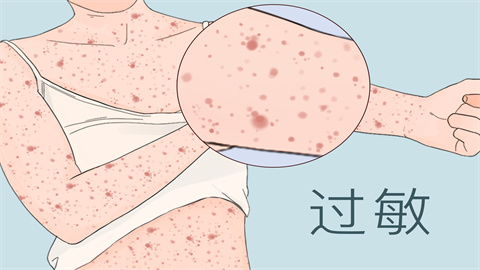
A small number of people may be allergic to mango or hairtail fish, and consuming these foods can trigger allergic reactions such as skin itching, rashes, or diarrhea. These reactions are unrelated to whether the two foods are eaten together and are primarily due to individual allergic predispositions. Additionally, if hairtail fish is undercooked or the mango has spoiled, gastrointestinal discomfort may occur after consumption. Therefore, it is important to ensure ingredient freshness and proper cooking.
Under normal circumstances, mangoes and hairtail fish (Trichiurus haumela) can be consumed together, as their nutritional components do not conflict and moderate consumption is harmless for most people. If in doubt, it's advisable to try based on individual conditions. The detailed analysis is as follows:
Mangoes are rich in nutrients such as vitamins and dietary fiber, while hairtail fish contains high-quality protein and unsaturated fatty acids. These two foods complement each other nutritionally. Consuming them together does not produce toxic or harmful substances and can enhance the overall nutritional balance of a meal, making them suitable for regular dietary pairing.
A small number of individuals may be allergic to either mangoes or hairtail fish. In such cases, consuming these foods might trigger allergic reactions such as skin itching, rashes, or diarrhea. These reactions are unrelated to whether the foods are eaten together and are primarily due to individual allergic predispositions. Additionally, undercooked hairtail fish or spoiled mangoes may cause gastrointestinal discomfort; therefore, it's important to ensure ingredient freshness and proper cooking.
Before eating mangoes and hairtail fish, confirm that you have no allergies to either food. Choose fresh ingredients—ensure the fish is thoroughly cooked and avoid consuming spoiled parts of the mango. Moderate your intake to prevent overburdening the digestive system. If discomfort occurs after consumption, discontinue eating immediately and seek medical attention.






