


What tea is good for lowering blood pressure?
Nov 25, 2024
Source: Cainiu Health

Dr. Yang Ziqi
Introduction
Under normal circumstances, teas such as chrysanthemum tea, hawthorn tea, lotus leaf tea, eucommia tea, and apocynum venetum tea can be selected in daily life to assist in controlling blood pressure. Drinking light tea is only an adjunctive method for lowering blood pressure; patients need to take long-acting antihypertensive medications regularly and for the long term under a doctor's guidance to effectively manage their blood pressure. Maintaining good lifestyle and dietary habits is also an important approach to controlling blood pressure.
Generally, in daily life, one can choose teas such as chrysanthemum tea, hawthorn tea, lotus leaf tea, eucommia tea, and apocynum venetum tea to assist in controlling blood pressure. Detailed explanations are as follows:
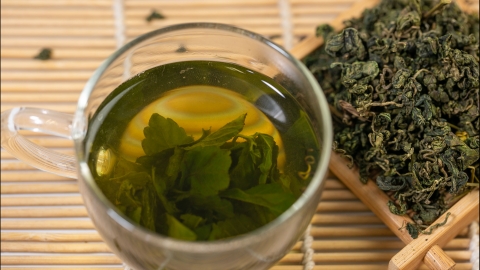
1. Chrysanthemum Tea
Chrysanthemum tea has effects of soothing the liver, improving vision, clearing heat, and detoxifying. The flavonoids in chrysanthemums have antioxidant and anti-inflammatory properties that help regulate blood pressure. Additionally, chrysanthemum can dilate blood vessels, further lowering blood pressure.
2. Hawthorn Tea
Hawthorn tea helps improve digestion, invigorate the stomach, promote qi circulation, and resolve blood stasis. The active ingredients in hawthorn can dilate blood vessels and lower blood pressure. Moreover, hawthorn can also reduce blood lipids, which benefits patients with hypertension.
3. Lotus Leaf Tea
Lotus leaf tea clears heat, refreshes the mind, promotes diuresis, and stops bleeding. The extracts and decoctions from lotus leaves have a vasodilatory effect, helping to lower blood pressure. Additionally, lotus leaf can promote metabolism, which benefits patients with hypertension.
4. Eucommia Tea
Eucommia tea nourishes the liver and kidneys, strengthens tendons and bones, and lowers blood pressure. The components in eucommia can regulate blood pressure bidirectionally—reducing blood pressure in hypertensive patients and preventing blood pressure elevation in healthy individuals.
5. Apocynum Venetum Tea
Apocynum venetum tea has effects of soothing the liver, calming the mind, clearing heat, relieving dampness, and lowering blood pressure. Certain components in this tea help dilate blood vessels and reduce blood pressure. Additionally, apocynum venetum tea can improve sleep and alleviate symptoms such as dizziness.
Drinking light tea is only an auxiliary method for lowering blood pressure. Patients need to take long-acting antihypertensive medications regularly and for the long term under a doctor's guidance to maintain stable blood pressure control. In addition, maintaining good lifestyle and dietary habits is also an important measure for managing blood pressure.



