


How is dental calculus formed?
Nov 27, 2024
Source: Cainiu Health

Dr. Liu Chao
Introduction
Under normal circumstances, the formation of dental calculus may be related to factors such as poor dietary habits, inadequate oral hygiene, saliva composition, periodontitis, and gingivitis. Patients can undergo treatment through regular professional dental cleanings, adjusting dietary habits, maintaining good oral hygiene, and medication. It is recommended to visit a hospital to determine the exact cause and follow medical advice for appropriate treatment.
Generally, the formation of dental calculus (tartar) may be related to factors such as poor oral hygiene habits, unhealthy dietary habits, saliva composition, periodontitis, and gingivitis. Patients can undergo treatments such as regular professional dental cleanings, adjusting dietary habits, maintaining good oral hygiene, and medication therapy. It is recommended to visit a hospital to determine the exact cause and follow medical advice for treatment. A detailed explanation is as follows:
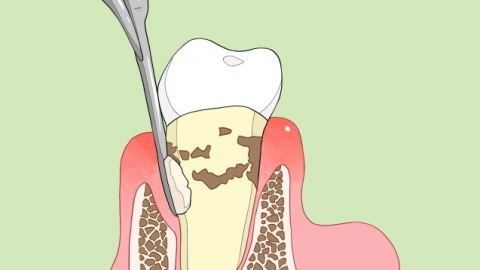
1. Poor oral hygiene habits: Inadequate daily oral cleaning allows food debris and bacteria to accumulate on the tooth surfaces, which may gradually harden and form dental calculus. It is recommended to maintain regular oral hygiene practices including toothbrushing, using dental floss, and mouthwash to reduce plaque buildup.
2. Unhealthy dietary habits: Frequently consuming high-sugar or sticky foods and beverages can easily leave residues on tooth surfaces and between teeth, creating favorable conditions for plaque growth and increasing the likelihood of dental calculus formation. Adjust dietary habits by reducing the intake of high-sugar and sticky foods and beverages.
3. Saliva composition: High levels of minerals such as calcium and phosphorus in saliva can easily combine with oral bacteria and food debris to form dental plaque, which can then harden into dental calculus. Maintaining good oral hygiene and visiting a dental clinic regularly for professional cleaning can help reduce the formation of dental calculus.
4. Periodontitis: Periodontitis may promote plaque accumulation, thereby accelerating the formation of dental calculus, often accompanied by symptoms such as bleeding gums and loose teeth. Patients should use medications such as metronidazole tablets, tinidazole tablets, and tetracycline tablets as advised by a doctor to aid in recovery.
5. Gingivitis: Accumulation of bacteria in dental plaque may cause gingivitis, leading to redness, swelling, and bleeding of the gums. These changes provide favorable surfaces for the attachment and formation of dental calculus, which may be accompanied by symptoms such as gum redness, swelling, bleeding, and pain. It is recommended that patients use medications such as amoxicillin capsules, cefixime dispersible tablets, and cefradine dispersible tablets under medical guidance to relieve symptoms.
In daily life, it is advisable to eat more vegetables, fruits, and other foods rich in vitamins and fiber, which help clean the tooth surfaces and reduce plaque accumulation.


