


How to remove dental calculus
Dec 25, 2024
Source: Cainiu Health

Dr. Liu Chao
Introduction
Dental calculus is formed due to poor oral hygiene leading to calcification of dental plaque. It can usually be removed through daily care, subgingival curettage, ultrasonic teeth cleaning, using tartar-control toothpaste, or applying vinegar. Additionally, it is recommended to adjust your daily diet, reduce intake of high-sugar and high-carbohydrate foods, and consume more fiber-rich vegetables and fruits to help clean the tooth surfaces.
Dental calculus is formed due to poor oral hygiene leading to the calcification of dental plaque. It can usually be removed through daily care, subgingival scaling, ultrasonic cleaning, using tartar-control toothpaste, or applying vinegar. Detailed methods are as follows:
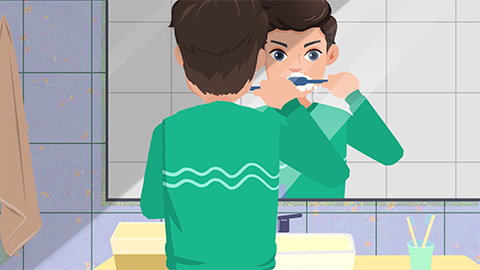
1. Daily care: Maintaining good oral hygiene is key to preventing dental calculus. It is recommended to brush teeth regularly, use dental floss to clean between teeth, and rinse the mouth after meals to avoid accumulation of food debris that may lead to tartar buildup.
2. Subgingival scaling: For tartar located in deeper areas that cannot be removed by ultrasonic cleaning, subgingival scaling may be used. This procedure must be performed by a professional periodontist to ensure safety and effectiveness.
3. Ultrasonic cleaning: This is a highly effective method for removing dental calculus. The tartar is dislodged by ultrasonic vibrations and the process is simple, fast, and does not damage the tooth surface. It is advisable to visit a reputable dental clinic regularly for ultrasonic teeth cleaning to thoroughly remove tartar and maintain oral health.
4. Tartar-control toothpaste: Choosing toothpaste specifically designed for tartar removal and brushing teeth morning and night can help eliminate some tartar. However, the effectiveness of toothpaste is limited and cannot replace professional dental cleaning.
5. Vinegar method: When brushing teeth, add a few drops of vinegar to the toothpaste, or swish vinegar in your mouth for several minutes before spitting it out and rinsing with water. The acidic components in vinegar help dissolve tartar, but long-term use may cause some tooth erosion, so caution is advised.
Additionally, it is recommended to adjust your daily diet, reduce consumption of high-sugar and high-carbohydrate foods, and eat more fiber-rich vegetables and fruits to help clean the surface of teeth.






