How to deal with severe hair loss in women
Nov 28, 2024
Source: Cainiu Health

Dr. Liu Wenmin
Introduction
Severe hair loss in women may be caused by genetic factors, hormonal changes, malnutrition, iron-deficiency anemia, or androgenetic alopecia, and can be improved according to the specific situation. Severe hair loss in women may be related to heredity. If family members exhibit high sensitivity to androgens, women may also display characteristics similar to male-pattern baldness.
Severe hair loss in women may be caused by genetic factors, hormonal changes, malnutrition, iron-deficiency anemia, or androgenetic alopecia, and improvements can be made according to the specific situation. It is recommended to seek timely medical consultation and follow professional guidance for treatment.
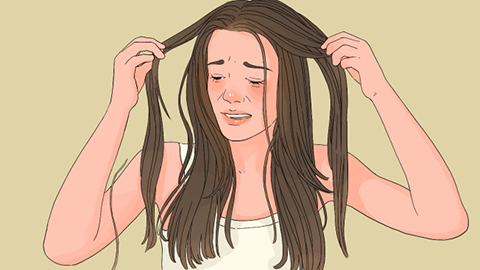
1. Genetic factors: Severe hair loss in women may be related to hereditary factors. If family members exhibit high sensitivity to androgens, women may also display characteristics similar to male-pattern hair loss. Maintaining a healthy lifestyle, such as balanced nutrition and moderate exercise, can help slow down the progression of hair loss.
2. Hormonal changes: During stages such as pregnancy, childbirth, and menopause, women may experience significant fluctuations in hormone levels, which can lead to temporary hair loss. Adjusting lifestyle habits and ensuring adequate rest and nutrition may help improve this condition.
3. Malnutrition: Long-term dieting for weight loss and an unbalanced diet can affect the nutritional supply and growth environment of hair, leading to hair loss, which may be accompanied by symptoms such as poor appetite, general weakness, and low spirits. It is recommended to improve eating habits and ensure sufficient intake of proteins, vitamins, and minerals, such as consuming more fish, nuts, fruits, and vegetables.
4. Iron-deficiency anemia: Insufficient intake or poor absorption of iron can lead to anemia, which affects the nutrition and growth of hair, thereby causing hair loss. Symptoms may include fatigue, pale complexion, dizziness, and palpitations. It is recommended to follow medical advice and take medications such as compound ferrous sulfate granules, ferrous dextran tablets, or iron sucrose injections to alleviate these symptoms.
5. Androgenetic alopecia: This condition is typically caused by excessive sebum production on the scalp, which blocks hair follicles, leading to follicular atrophy and hair loss. Symptoms may include itchy scalp, increased dandruff, and oily hair. Patients can follow medical advice to use medications such as finasteride tablets, minoxidil gel, or spironolactone tablets to improve the condition.
In daily life, women should maintain healthy lifestyle and dietary habits to provide a favorable environment for healthy hair growth.