


How to effectively treat neck pain
Nov 28, 2024
Source: Cainiu Health

Dr. Chen Jian
Introduction
In general, neck pain may be related to factors such as aging, poor posture, cold stimulation, cervical spondylosis, and bone spurs in the cervical vertebrae. Patients can undergo regular neck exercises, take timely breaks, maintain neck warmth, and receive medication treatments. It is recommended that patients promptly visit a hospital and follow medical advice for treatment. In daily life, patients should maintain healthy lifestyle habits.
Generally, neck pain may be related to aging, poor posture, cold exposure, cervical spondylosis, and bone spurs in the cervical vertebrae. Patients can adopt regular neck exercises, scheduled rest periods, keeping the neck warm, and medication treatments. It is recommended that patients promptly visit a hospital and follow medical advice for treatment. A detailed analysis is as follows:
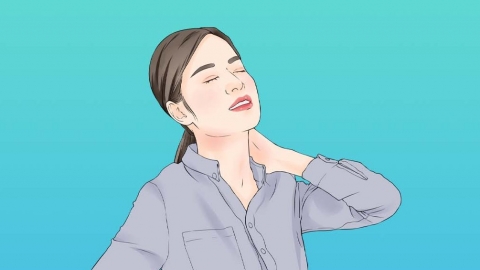
1. Aging: With aging, the intervertebral discs and joints in the cervical spine may undergo degenerative changes, leading to neck pain. Regular neck exercises can strengthen neck muscle strength and maintain cervical stability.
2. Poor Posture: Poor posture places additional pressure on the cervical spine, causing overstretching or compression of muscles, ligaments, and joints around the neck, which may lead to inflammation and pain. Improve posture during work and daily life, take regular breaks, and perform neck stretching exercises.
3. Cold Exposure: Cold environments can cause blood vessel constriction in the neck, slowing blood circulation. Muscles may experience spasms and pain due to insufficient blood supply. It is recommended to keep the neck warm and avoid direct exposure to cold winds.
4. Cervical Spondylosis: Cervical spondylosis is caused by degenerative changes in the cervical spine, including disc degeneration, bone spur formation, and thickening of joint capsules and ligaments, which may compress nerve roots or the spinal cord, causing pain and functional impairment. Patients should promptly follow medical instructions to use medications such as Celecoxib Capsules, Venoruton Tablets, and Ibuprofen Tablets for treatment.
5. Bone Spurs in the Cervical Vertebrae: Bone spurs in the cervical vertebrae can compress nerve roots or the spinal cord, causing neck pain, possibly accompanied by symptoms such as neck stiffness, arm numbness, and unsteady gait. Patients are advised to use medications such as Gushe Pill, Zhuanggu Guanjie Pill, and Gushe Xiaotong Liquid under a doctor's guidance to alleviate symptoms.
In daily life, patients should maintain good living habits and posture, enhance physical exercise, and improve their immunity.



