


Can moxibustion treat cervical spine conditions?
Mar 14, 2025
Source: Cainiu Health

Dr. Zhang Xiuhong
Introduction
In general, moxibustion can serve as an adjunctive therapy for cervical spine disorders. These disorders are often caused by external contraction of wind-cold-damp pathogens or long-term strain leading to meridian obstruction and poor circulation of qi and blood. As a traditional Chinese medical therapy, moxibustion utilizes the warmth and medicinal properties generated by burning mugwort to penetrate through the meridians, achieving the effects of warming and unblocking meridians, dispersing cold and eliminating dampness, and regulating qi and blood circulation.
Generally, moxibustion can serve as an adjunctive treatment for cervical spine disorders. If experiencing discomfort, it is recommended to seek timely medical consultation. Detailed explanation is as follows:
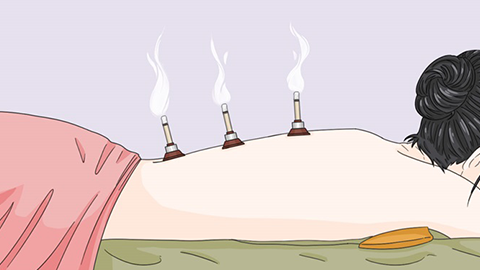
Cervical spine disorders are often caused by external contraction of cold, wind, and damp pathogens or long-term strain leading to blocked meridians and poor circulation of qi and blood. Moxibustion, as a traditional Chinese therapeutic method, utilizes the warmth and medicinal properties produced by burning mugwort to penetrate the meridians, thereby achieving the effects of warming and unblocking meridians, dispersing cold and eliminating dampness, and regulating qi and blood circulation. When applied to acupoints on the neck such as Fengchi (GB20), Dazhui (GV14), and Jianjing (GB21), moxibustion stimulates the flow of meridian energy, expels wind and cold, enhances local blood circulation, effectively relieves neck muscle spasms, and reduces pain and stiffness. The warming effect of moxibustion can also dilate local blood vessels, accelerate blood flow, promote the metabolism of inflammatory mediators, reduce tissue edema, and thus exert a positive effect on alleviating symptoms of cervical spine disorders.
In daily life, maintaining good postural habits is important. Avoid prolonged periods of working with the head bent forward or using electronic devices, and perform regular neck stretching exercises to reduce the burden on the cervical spine. Additionally, keep the neck warm, dress appropriately during cold seasons, and prevent invasion of cold pathogens to lower the risk of cervical spine disorders.


