


What are the techniques for cervical massage?
Jan 25, 2025
Source: Cainiu Health

Dr. Zhang Xiuhong
Introduction
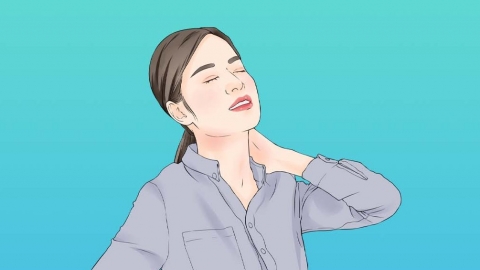
In general, cervical massage is an effective method for relieving neck muscle tension, promoting blood circulation, and improving symptoms of cervical spondylosis. Techniques used in cervical massage include kneading, grasping, pressing, pushing, and shaking. When performing cervical massage, it is important to ensure proper technique and moderate pressure to avoid neck injuries caused by excessive force or improper manipulation.
Generally speaking, cervical massage is an effective method for relieving neck muscle tension, promoting blood circulation, and improving symptoms of cervical spondylosis. Techniques used in cervical massage include kneading, grasping, pressing, pushing, and shaking. A detailed explanation is as follows:
1. Kneading Technique
Using fingers, the thenar eminence, or palm to apply rotational pressure on the neck muscles. The movements are gentle and mild, with minimal stimulation, suitable for all areas of the neck. This technique helps relax muscles, improve circulation, relieve muscle spasms, and soften scars.
2. Grasping Technique
Using the thumb and middle or index finger, or the thumb with the remaining four fingers, applying alternating pressure to pinch and lift specific areas or acupoints. The pressure should gradually increase, maintaining continuous and rhythmic movements. This technique helps dispel wind and cold, relax muscles, alleviate spasms, reduce muscle soreness, and relieve mental fatigue.
3. Pressing Technique
Using fingers, palm, or elbow to apply downward pressure on the neck muscles or acupoints. The pressure should gradually increase, remaining steady and sustained, applied vertically. This technique can calm pain, relieve blockages, and relax neck muscles.
4. Pushing Technique
Using fingers, palm, or elbow to perform unidirectional linear movements on specific areas. During the operation, the fingers, palm, or elbow should remain close to the body surface, moving slowly with even and penetrating pressure. This method helps eliminate accumulations, relieve spasms and pain, dissipate blood stasis, regulate meridians, and promote blood circulation.
5. Shaking Technique
Moving the head passively in circular motions around the cervical joints. Movements should be gentle and steady, within the physiological range of motion and amplitude. This technique helps lubricate joints, release adhesions, realign dislocations, and relieve neck muscle tension.
When performing cervical massage, ensure proper technique and moderate pressure to avoid injury from excessive force or improper manipulation. If you have cervical spondylosis or other neck conditions, perform massage under medical supervision to avoid worsening the condition.






