


Why does the stomach hurt so much during menstruation?
Nov 28, 2024
Source: Cainiu Health

Dr. Zhang Lu
Introduction
Dysmenorrhea during menstruation may be related to factors such as stress, cold exposure, pelvic inflammatory disease, intrauterine adhesions, and endometriosis. Mild dysmenorrhea can be relieved through methods like applying heat or taking warm baths to promote blood circulation. Individuals experiencing severe or prolonged pain should seek medical attention promptly for targeted treatment based on the underlying cause, including pharmacological therapy, surgical intervention, and others.
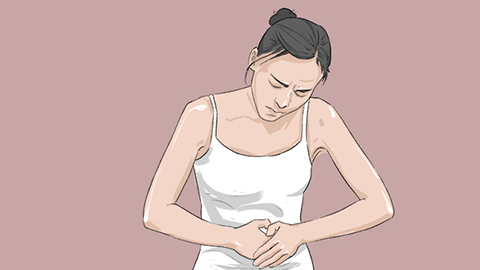
Generally speaking, "coming of age" refers to menstruation, and "stomach pain" refers to dysmenorrhea. Menstrual pain may be related to factors such as excessive stress, cold exposure, pelvic inflammatory disease, intrauterine adhesion, and endometriosis. If discomfort occurs, timely medical consultation is recommended. Detailed analysis is as follows:
1. Excessive Stress
Significant emotional fluctuations and tense, anxious moods may stimulate uterine contractions, leading to dysmenorrhea. It is recommended to relieve symptoms by improving emotional well-being, such as listening to music, reading, or drawing.
2. Cold Exposure
In cold weather, failure to keep warm and the resulting impact on systemic blood circulation may trigger dysmenorrhea. Relief can be achieved through heat application, bathing, or other methods that use high temperatures to promote blood circulation and reduce the severity of abdominal pain.
3. Pelvic Inflammatory Disease
Pelvic inflammatory disease is usually associated with infection. Repeated inflammatory stimulation of pelvic tissue causes pelvic congestion, which can lead to dysmenorrhea. Symptoms may include increased vaginal discharge and fever. Treatment is recommended under a physician's guidance using medications such as levofloxacin hydrochloride capsules, metronidazole tablets, or norfloxacin capsules.
4. Intrauterine Adhesion
Intrauterine adhesion may be related to improper intrauterine procedures or infections. Repeated inflammation can lead to cervical congestion, and when adhesions worsen, the aforementioned symptoms may appear, possibly accompanied by anal pressure, abnormal vaginal bleeding, and other symptoms. Timely hysteroscopic surgery is recommended under a physician's guidance to remove the adhesions using specialized equipment with fiber-optic and imaging systems.
5. Endometriosis
Endometriosis is often associated with unhealthy lifestyle habits, immune abnormalities, and other factors. When endometrial tissue appears outside the uterus, it may cause abnormal shedding of the endometrium, resulting in the above symptoms. Symptoms may include infertility and menstrual disorders. Treatment should follow medical advice using medications such as dienogest tablets, indomethacin enteric-coated tablets, drospirenone and ethinyl estradiol tablets (II), and others.
Dysmenorrhea during menstruation is not necessarily a disease. If symptoms are mild and short-lived, observation without special treatment may be appropriate. However, if symptoms are severe and persistent, timely targeted treatment according to the underlying cause should be carried out under a physician's guidance.



