


What are the common liver diseases?
Nov 28, 2024
Source: Cainiu Health

Dr. Gao Jun
Introduction
Alcoholic liver disease is liver damage caused by long-term and excessive alcohol consumption, and is one of the common non-viral liver diseases. Alcoholic liver disease can further develop into alcoholic fatty liver, alcoholic hepatitis, alcoholic liver fibrosis, and alcoholic cirrhosis, posing serious threats to patients' health. Clinically, it may be asymptomatic or present with symptoms such as upper right abdominal distension and pain, decreased appetite, and fatigue.
Common liver diseases typically include alcoholic liver disease, fatty liver, liver cysts, hepatic hemangioma, and cirrhosis. If discomfort symptoms occur, it is recommended to seek timely medical consultation at a hospital and follow medical guidance for standardized treatment. Detailed analysis is as follows:
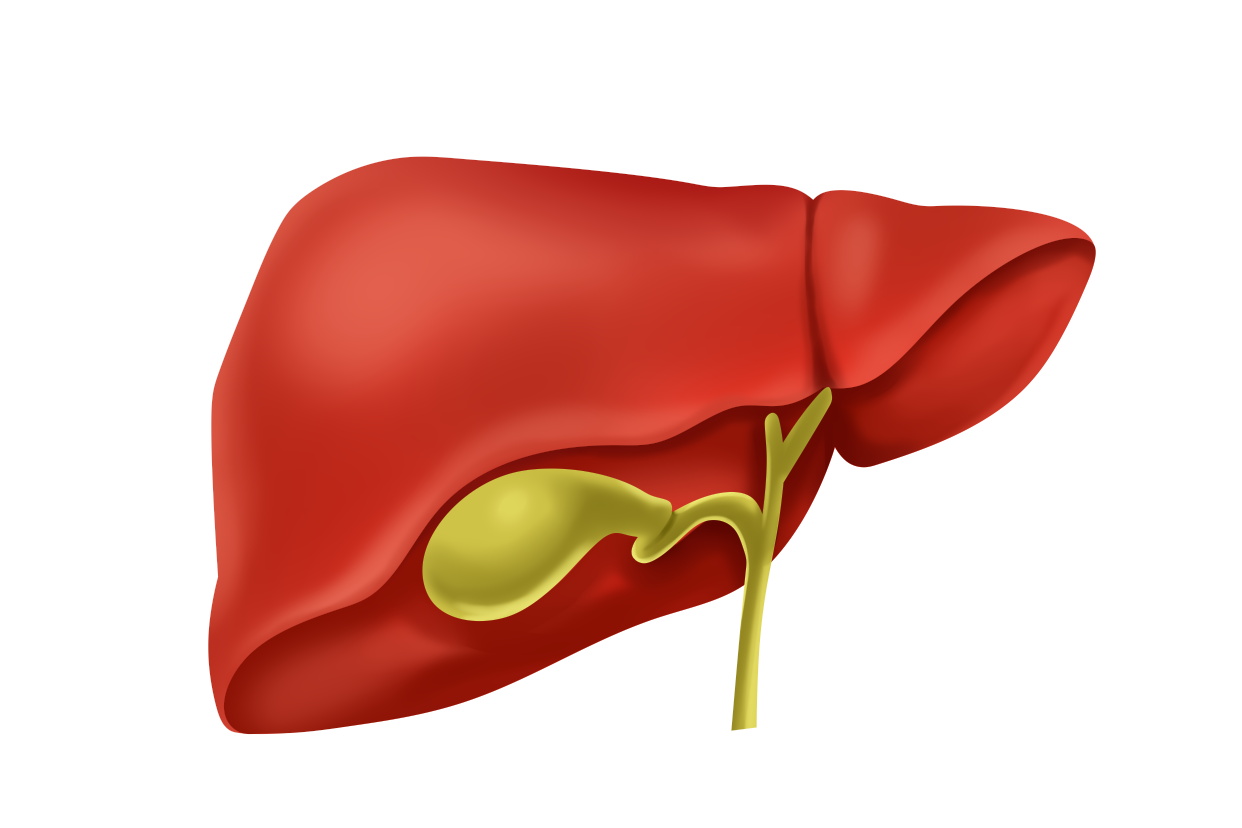
1. Alcoholic Liver Disease
Alcoholic liver disease is caused by long-term heavy alcohol consumption and is one of the common forms of non-viral liver disease. It can progress further to alcoholic fatty liver, alcoholic hepatitis, alcoholic liver fibrosis, and alcoholic cirrhosis, posing serious health risks to patients. Clinically, it may be asymptomatic or present with symptoms such as upper right abdominal distension and pain, loss of appetite, fatigue, weight loss, jaundice, etc. Medications such as polyenylphosphatidylcholine capsules, metadoxine capsules, prednisone acetate tablets, etc., may be used under medical guidance to relieve discomfort.
2. Fatty Liver
Fatty liver refers to liver cell damage caused by excessive fat accumulation within liver cells due to reasons such as obesity, hyperglycemia, and smoking. Patients with fatty liver usually do not exhibit obvious symptoms, but as the condition progresses, symptoms such as liver area pain and discomfort may appear. Treatment can involve medications such as silybinin methylamine tablets, polyenylphosphatidylcholine injection, diammonium glycyrrhizinate injection, etc., under the guidance of a physician.
3. Liver Cysts
Liver cysts may be caused by congenital factors, trauma, or surgery. Liver cysts are fluid-filled sac-like structures within the liver, with internal fluid density lower than that of normal liver tissue, appearing as low-density shadows on imaging studies. Symptoms such as abdominal pain and bloating may accompany them. It is recommended to follow medical advice for treatment using medications such as compound salvia miltiorrhiza tablets, ibuprofen tablets, vitamin B1 tablets, etc.
4. Hepatic Hemangioma
Hepatic hemangioma is associated with congenital vascular developmental abnormalities and abnormal proliferation of vascular endothelial cells. The mass-like structure formed by arteriovenous vascular malformations in the liver appears on CT scans as well-defined low-density lesions, potentially accompanied by symptoms such as loss of appetite and belching. Treatment should follow medical recommendations using medications such as sorafenib tosylate tablets, trimebutine maleate tablets, compound glycyrrhizin tablets, etc.
5. Cirrhosis
Chemical drugs, health supplements, excessive fatigue, and other factors can induce cirrhosis. The density of the affected area in cirrhosis is lower than that of normal liver tissue, thus presenting as low-density shadows on imaging studies, possibly accompanied by symptoms such as ascites and jaundice. Treatment under the guidance of a specialist physician may involve medications such as entecavir tablets, sofosbuvir tablets, polyenylphosphatidylcholine capsules, etc.
It is recommended to develop good lifestyle habits, maintain a proper balance between work and rest, and avoid excessive fatigue to promote overall health.


