


Is fungal vaginitis serious?
Nov 29, 2024
Source: Cainiu Health

Dr. Zhang Lu
Introduction
In general, fungal vaginitis refers to vulvovaginal candidiasis. If symptoms are mild, the condition is usually not serious. However, if symptoms are severe, it is typically considered serious. When symptoms are mild, such as slight itching and a small amount of curd-like vaginal discharge, the condition is generally not severe and requires timely diagnosis and treatment, through which the illness can be rapidly controlled. The prognosis is good, and recurrence is uncommon.
Generally, mold vaginitis refers to vulvovaginal candidiasis. If symptoms are mild, the condition is usually not serious. However, if symptoms are severe, the condition is typically serious. If discomfort occurs, timely medical attention is recommended. Detailed analysis is as follows:
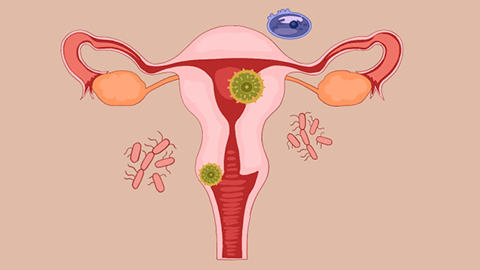
If symptoms are mild, such as mild itching and a small amount of curd-like vaginal discharge, the condition is generally not severe and can be promptly diagnosed and treated, allowing for rapid control of the disease. The prognosis is good, and recurrence is uncommon. However, if symptoms are severe, such as intense itching, burning pain, large amounts of curd-like vaginal discharge, and accompanying pain during urination, and if treatment is delayed or improperly managed, the condition may worsen and lead to other complications, such as urinary tract infections and cervicitis. This is typically considered serious, with recurring episodes that can significantly affect the patient's quality of life.
Patients need to maintain external genital hygiene, washing with warm water and avoiding the use of strongly irritating cleansers. Under a doctor's guidance, antifungal medications such as clotrimazole suppositories, fluconazole capsules, and itraconazole hydrochloride capsules may be used. Infrared or microwave therapy may also be applied to improve local blood circulation and promote the resolution of inflammation.
In daily life, maintaining good hygiene habits is important, including washing the external genital area daily with warm water. Choosing appropriate underwear is also advised; avoid synthetic materials and opt for cotton, loose-fitting underwear. The misuse of antibiotics and glucocorticoids should be avoided to prevent disruption of the vaginal flora balance. Unhygienic sexual practices should be avoided, and attention should be given to maintaining sexual hygiene.





