Treatment for Fungal Vaginitis
Dec 31, 2024
Source: Cainiu Health

Dr. Zhang Lu
Introduction
In general, fungal vaginitis refers to vulvovaginal candidiasis. This condition may be caused by factors such as changes in the vaginal environment, decreased immune function, vulvar eczema, vulvitis, diabetes, and other reasons. Measures such as general care and medication can be used for treatment. Maintaining good personal hygiene and healthy lifestyle habits in daily life can effectively prevent fungal vaginitis.
Generally, fungal vaginitis refers to vulvovaginal candidiasis. This condition may be caused by changes in the vaginal environment, decreased immune function, vulvar eczema, vulvitis, diabetes, and other factors. Measures such as general treatment and drug therapy can be taken to improve the condition. Prompt medical attention and following the doctor's instructions for treatment are necessary. Details are as follows:
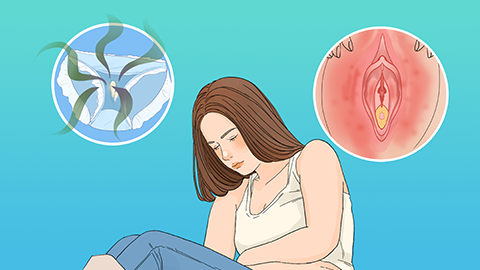
1. Changes in vaginal environment: The vaginal environment is usually acidic, which helps maintain the balance of vaginal flora. However, using cleansers, hormonal changes, or contraceptive use may alter the vaginal pH, creating favorable conditions for the growth and reproduction of vulvovaginal candidiasis. Excessive cleaning and the use of irritating cleansers should be avoided to maintain balance in the vaginal environment.
2. Decreased immune function: Long-term use of immunosuppressants, chronic diseases, excessive stress, and other factors may lead to reduced immune function. When the body's immune system is compromised, resistance decreases, making vulvovaginal candidiasis more likely to occur. Active treatment of underlying diseases, such as controlling blood sugar levels and improving lifestyle habits, should be undertaken to enhance immunity.
3. Vulvar eczema: Vulvar eczema is a skin condition that may damage the vulvar skin, reducing local resistance and increasing the risk of vulvovaginal candidiasis infection. In addition to vulvar itching, symptoms may include redness and swelling of the vulvar skin. Anti-inflammatory and antipruritic medications such as levocetirizine hydrochloride tablets, ebastine tablets, and compound dexamethasone acetate cream may be used according to medical advice.
4. Vulvitis: Vulvitis is an inflammation of the vulvar skin or mucous membranes, which may damage the vulvar skin, reduce local resistance, and increase the risk of vulvovaginal candidiasis infection, accompanied by vulvar pain. Antifungal medications such as nystatin tablets, erythromycin ointment, and mupirocin ointment may be used according to medical advice.
5. Diabetes: Patients with diabetes may experience increased glycogen content and acidity in the vagina due to elevated blood sugar levels, providing favorable conditions for the growth of vulvovaginal candidiasis. Additionally, immune function in diabetic patients may also be reduced, increasing the risk of infection, along with symptoms such as polyuria. Medications such as acarbose capsules, glimepiride tablets, and gliquidone tablets may be used under a doctor's guidance to lower blood sugar levels.
Maintaining good personal hygiene and lifestyle habits in daily life can effectively prevent vulvovaginal candidiasis.