


How to lower high uric acid levels quickly
Nov 29, 2024
Source: Cainiu Health

Dr. Yang Tiesheng
Introduction
In general, high uric acid levels may be caused by dietary factors, obesity, medication, gout, impaired uric acid excretion, and other reasons. It is recommended to seek medical attention promptly, identify the underlying cause, and then reduce uric acid levels under the guidance of a qualified physician through general treatment and medication. In daily life, it is advised to maintain healthy lifestyle and dietary habits and undergo regular medical checkups.
There is generally no specific way to rapidly lower high uric acid levels. High uric acid levels may be caused by dietary factors, obesity, medication, gout, or impaired uric acid excretion. It is recommended to seek timely medical attention, identify the underlying cause, and then reduce uric acid levels under the guidance of a qualified physician through general treatment or medication. Detailed analysis is as follows:
1. Dietary Factors
Long-term consumption of high-purine foods, such as seafood, beef, hotpot, and excessive alcohol intake, can lead to elevated uric acid levels. Typically, there are no specific accompanying symptoms. It is recommended to adjust the diet, reduce the intake of high-purine foods, increase the proportion of fresh vegetables and fruits, and abstain from alcohol. Additionally, drinking more water can help promote uric acid excretion.
2. Obesity
In a state of obesity, increased fat tissue leads to higher purine production during metabolism, and inflammatory factors produced by fat cells may inhibit the kidneys' ability to excrete uric acid, making it easier to develop high uric acid levels. It may be accompanied by metabolic syndrome features such as hypertension and hyperlipidemia. It is recommended to manage weight appropriately through healthy eating and regular exercise. A low-fat, low-calorie diet combined with increased physical activity can help promote uric acid excretion.
3. Medication Factors
Certain medications can inhibit uric acid excretion, leading to elevated serum uric acid levels and causing hyperuricemia. Drug-induced hyperuricemia usually does not present specific symptoms, and uric acid levels typically return to normal after discontinuation of the medication. It is recommended to avoid using medications that may cause hyperuricemia whenever possible, or monitor uric acid levels and adjust treatment plans accordingly if their use is necessary. When needed, uric acid-lowering drugs may be used as adjunctive therapy.
4. Gout
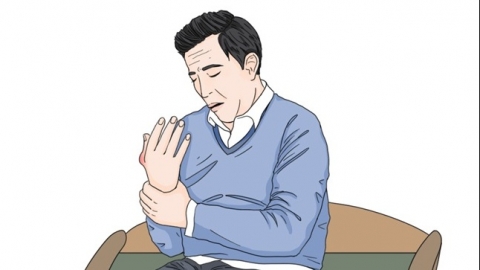
In gout, abnormal purine metabolism leads to excessive uric acid production or reduced kidney excretion of uric acid, resulting in elevated blood uric acid levels. Symptoms may include severe pain, redness, swelling, and warmth in a single joint. It is recommended to seek medical attention promptly and use medications such as indomethacin tablets, colchicine tablets, and allopurinol tablets. Additionally, a low-purine diet is recommended, along with avoiding high-purine foods.
5. Impaired Uric Acid Excretion
Kidney disease, medication effects, and other factors may lead to impaired uric acid excretion, causing uric acid accumulation in the body and resulting in hyperuricemia. Symptoms related to kidney disease, such as back pain, frequent urination, and urgency, may also be present. It is recommended to use uricosuric medications under a doctor's guidance, such as benzbromarone tablets, probenecid tablets, and benzbromarone capsules.
In daily life, it is recommended to maintain good living and dietary habits and undergo regular medical checkups to help prevent abnormal elevations in uric acid levels.


