


How is rhinitis treated, and what are the best methods?
Dec 02, 2024
Source: Cainiu Health

Dr. Lu Cheng
Introduction
Long-term exposure to environments with severe air pollution can easily irritate and damage the nasal mucosa, leading to chronic inflammation. It is recommended to avoid contact with allergens such as pollen and dust mites, maintain good indoor air circulation, and regularly clean the indoor environment. Patients should use medications such as Tongqiao Rhinitis Tablets, Mometasone Furoate Nasal Spray, and Compound Theophylline and Ephedrine Tablets under the guidance of a physician to aid in recovery.
Generally speaking, there is no such thing as "how to treat rhinitis, what are the best methods." Rhinitis may be related to factors such as environment, allergies, infectious rhinitis, drug-induced rhinitis, and atrophic rhinitis. Treatment usually involves improving the living environment, medication, physical therapy, and surgery. Patients are advised to visit the hospital promptly and follow medical instructions for treatment. The detailed analysis is as follows:
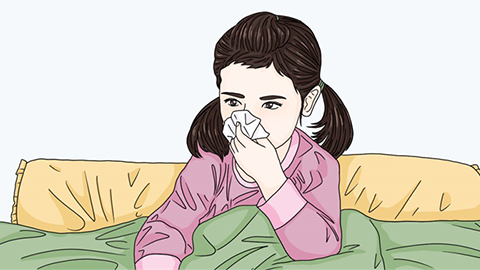
1. Environment
Long-term exposure to environments with severe air pollution can easily irritate and damage the nasal mucosa, leading to chronic inflammation. It is recommended to avoid allergens such as pollen and dust mites, maintain indoor air circulation, and regularly clean the indoor environment.
2. Allergies
Some people with low immunity may be allergic to dust. When exposed to allergens, specific antibodies are produced in the body. Upon subsequent exposure, these antibodies bind with the allergen, triggering an inflammatory response. Patients should use medications such as Tongqiao Biyan tablets, mometasone furoate nasal spray, and compound theophylline ephedrine tablets under a doctor's guidance to aid recovery.
3. Infectious Rhinitis
After a viral infection affects the nasal mucosa, an inflammatory response occurs, causing nasal mucosal congestion and increased secretions, which leads to symptoms such as nasal congestion and runny nose. Bacterial infections may occur secondarily following viral infections, worsening the symptoms. Patients can visit the hospital for physical treatments such as laser therapy or cryotherapy to reduce inflammation in the nasal mucosa and improve rhinitis symptoms.
4. Drug-Induced Rhinitis
Long-term use of nasal sprays containing vasoconstrictors, such as ephedrine nasal spray, may lead to dependence and rebound dilation of the nasal mucosa, resulting in worsening nasal congestion. Patients are advised to discontinue the use of medications causing rhinitis. Usage should follow medical advice, with attention to frequency and dosage to avoid overuse and adverse reactions.
5. Atrophic Rhinitis
The occurrence of atrophic rhinitis may be related to genetic factors, autoimmune responses, or environmental factors. Atrophy of the nasal mucosa leads to reduced secretion from nasal glands, causing dryness and crusting in the nasal cavity, which can block the nasal passages and cause a sensation of nasal obstruction. Patients with severe atrophic rhinitis can seek surgical treatment at the hospital, such as septoplasty, to improve nasal airflow.
During treatment, appropriate exercise, such as running or swimming, can help improve immunity and promote recovery.



