


What are the moxibustion methods for treating cervical spondylosis?
Dec 19, 2024
Source: Cainiu Health

Dr. Zhang Xiuhong
Introduction
Under normal circumstances, patients with cervical spondylosis can choose from various moxibustion methods including acupoint moxibustion, suspended moxa stick moxibustion, cone moxibustion, sparrow pecking moxibustion, and barrier-separated moxibustion. In daily life, they should maintain correct sitting and standing postures, avoid prolonged periods of bending the head forward or maintaining the same posture for extended periods. It is advisable to change positions regularly and appropriately exercise the shoulders and neck area to reduce strain on the cervical spine.
Generally, patients with cervical spondylosis can choose from various moxibustion methods, including acupoint moxibustion, suspended moxa stick moxibustion, moxa cone moxibustion, sparrow-pecking moxibustion, and barrier moxibustion. The details are as follows:
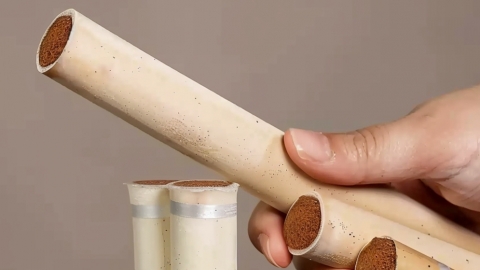
1. Acupoint Moxibustion
Moxibustion on acupoints such as Sanyinjiao (SP6), Zusanli (ST36), and Xuehai (SP10) can help regulate qi and blood flow, alleviating symptoms such as fatigue, edema, and dizziness caused by spleen deficiency, thereby relieving discomfort associated with cervical spondylosis.
2. Suspended Moxa Stick Moxibustion
The patient sits upright, exposing the area to be treated. A lit moxa stick is held suspended over the treatment site. Suspended moxa stick moxibustion uses thermal stimulation to promote blood circulation around the cervical spine, accelerate blood flow, and improve local blood supply, thus relieving pain and discomfort caused by cervical spondylosis.
3. Moxa Cone Moxibustion
In moxa cone moxibustion, an appropriate amount of moxa wool is shaped into a cone, placed on specialized devices, secured, and then ignited. The generated warmth helps dispel cold and dampness and promotes the circulation of meridians. This method is suitable for conditions such as neck stiffness and shoulder pain caused by cold-damp obstruction.
4. Sparrow-Pecking Moxibustion
The patient sits upright, exposing the treatment area. The practitioner holds a lit moxa stick and moves it up and down in a pecking motion. Sparrow-pecking moxibustion can stimulate the body's yang energy, enhance immune function, and help alleviate discomfort symptoms caused by cervical spondylosis.
5. Barrier Moxibustion
Barrier moxibustion involves placing a barrier, such as slices of ginger or garlic, between the skin and the moxa stick before performing moxibustion. This technique reduces direct skin irritation from the moxa, making it suitable for patients with sensitive skin.
It is also important to maintain proper sitting and standing postures in daily life, avoiding prolonged periods of looking down or maintaining the same posture. Regularly changing positions and appropriately moving the shoulders and neck can help reduce the burden on the cervical spine.


