


What are the symptoms of gastroparesis?
Dec 20, 2024
Source: Cainiu Health

Dr. Shen Yonghua
Introduction
Gastroparesis generally refers to a clinical syndrome characterized by delayed gastric emptying. It may present with symptoms such as postprandial upper abdominal fullness, loss of appetite, nausea and vomiting, constipation or diarrhea, and upper abdominal discomfort or pain. These symptoms may be associated with various diseases; therefore, timely medical consultation is recommended to determine the specific cause and receive appropriate treatment.
In general, gastroparesis refers to a clinical syndrome characterized by delayed gastric emptying, which may present as postprandial upper abdominal fullness, loss of appetite, nausea and vomiting, constipation or diarrhea, and upper abdominal discomfort or pain. A detailed analysis is as follows:
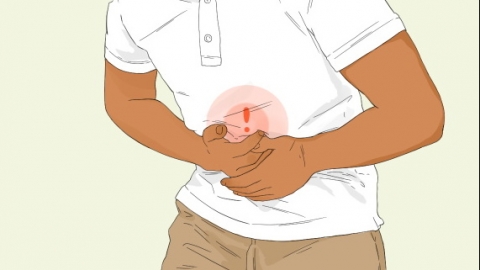
1. Postprandial upper abdominal fullness
Due to decreased gastric motility, food remains in the stomach for an extended period, causing a sensation of fullness in the upper abdomen. This feeling of fullness may persist for a long time and may be accompanied by belching and flatulence.
2. Loss of appetite
Gastroparesis may prolong the passage of food through the gastrointestinal tract, making patients feel full and reluctant to eat. Prolonged loss of appetite can affect nutrient absorption, leading to weight loss and malnutrition.
3. Nausea and vomiting
With gastroparesis, food may accumulate in the stomach, irritating the gastric wall and triggering nerve reflexes that cause nausea. When the stomach muscles contract forcefully, the contents may be expelled from the body, causing vomiting. Vomiting may occur suddenly, accompanied by severe nausea, and the vomitus may contain undigested food.
4. Constipation or diarrhea
Slowed intestinal peristalsis may prolong the interval between bowel movements, leading to constipation. At the same time, an imbalance in the intestinal flora may also cause diarrhea. Therefore, patients with gastroparesis may experience alternating episodes of constipation and diarrhea.
5. Upper abdominal discomfort or pain
Indigestion and increased gastric pressure caused by gastroparesis may lead to upper abdominal discomfort or pain. This discomfort or pain may be located beneath the sternum, vary in duration, and, in severe cases, may affect the quality of daily life.
These symptoms may be associated with multiple diseases; therefore, timely medical consultation is recommended to determine the exact cause and receive appropriate treatment. In terms of treatment, in addition to pharmacotherapy, auxiliary treatments such as adjusting lifestyle habits, maintaining regular eating patterns, and staying in a good mood can also be beneficial.




