How to effectively treat insufficient blood supply to the brain?
Dec 21, 2024
Source: Cainiu Health

Dr. Tian Hongbo
Introduction
Under normal circumstances, cerebral hypoperfusion may be caused by factors such as postural changes, lack of physical activity, cervical spondylosis, arrhythmia, and hypertension. It can be treated or relieved with general treatments, medication, and other approaches depending on the specific situation. It is recommended to seek timely medical attention, identify the underlying cause, and undergo symptomatic treatment under a doctor's guidance. In daily life, drinking plenty of water to maintain adequate blood volume is advised.
Generally, cerebral hypoperfusion may be caused by factors such as postural changes, lack of exercise, cervical spondylosis, arrhythmia, hypertension, etc. Depending on the specific situation, general treatments or medication can be used to treat or alleviate the condition. It is recommended to seek timely medical attention, identify the underlying cause, and undergo symptomatic treatment under a doctor's guidance. Detailed analysis is as follows:
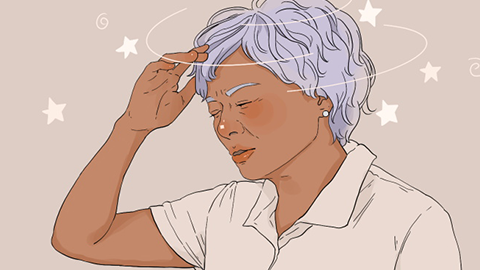
1. Postural changes: When standing up suddenly or rising quickly after squatting for a prolonged period, blood flow is affected by gravity and cannot be redistributed quickly enough, leading to insufficient blood supply to the brain. Sudden postural changes should be avoided to prevent orthostatic hypotension.
2. Lack of exercise: Insufficient physical activity can reduce cardiopulmonary function and decrease circulation volume, resulting in inadequate blood supply to the brain, which may cause symptoms such as headache and dizziness. Appropriate exercise like brisk walking, jogging, or swimming (aerobic exercises) is recommended.
3. Cervical spondylosis: The primary causes include long-term cervical strain and bone spurs, which compress the vertebral artery and impair cerebral blood supply. Symptoms may include numbness in the arms. Patients may take medications such as chlorzoxazone tablets, eperisone hydrochloride tablets, or naproxen sodium tablets under a doctor's guidance.
4. Arrhythmia: Related to genetic factors or cardiovascular diseases, arrhythmia leads to reduced cardiac pumping function, which affects cerebral blood supply and may be accompanied by palpitations and chest tightness. Patients may take medications such as quinidine sulfate tablets, procainamide hydrochloride tablets, or verapamil hydrochloride tablets under a doctor's guidance.
5. Hypertension: Primary causes include genetic factors and unhealthy lifestyle habits, which cause prolonged high pressure on blood vessel walls, affecting cerebral blood supply and possibly causing symptoms like palpitations and chest tightness. Patients may follow medical advice to use medications such as nifedipine tablets, methyldopa tablets, or captopril sustained-release tablets.
In daily life, it is important to drink plenty of water to maintain adequate blood volume, eat a balanced diet, and avoid foods high in fat and sugar.