


What are the symptoms of having a tumor in the throat?
Dec 21, 2024
Source: Cainiu Health

Dr. Lu Cheng
Introduction
Under normal circumstances, the throat refers to the pharynx. Tumors in the pharynx may cause symptoms such as hoarseness, throat pain, difficulty swallowing, coughing, or hemoptysis (coughing up blood), and difficulty breathing. If you experience any discomfort, it is recommended to seek medical attention promptly. In daily life, you should maintain good oral hygiene, avoid excessive use of the voice, refrain from consuming irritating foods, closely monitor breathing and swallowing, and strictly follow medical advice for regular follow-up examinations.
Generally speaking, the throat refers to the pharynx. Tumors in the throat may cause symptoms such as hoarseness, throat pain, difficulty swallowing, coughing, or hemoptysis (coughing up blood), and difficulty breathing. If experiencing any discomfort, timely medical consultation is recommended. Detailed analysis is as follows:
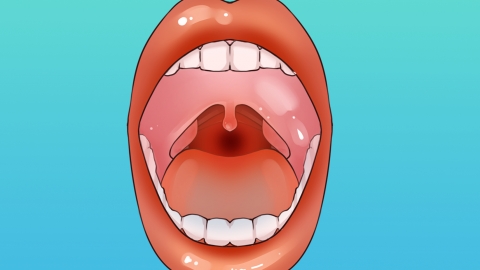
1. Hoarseness
When a throat tumor involves the vocal cords or surrounding tissues, it can affect the normal vibration and closure function of the vocal cords. For example, a tumor on the surface of the vocal cords may prevent the vocal cords from fully closing during phonation or alter the frequency and amplitude of vocal cord vibration, resulting in hoarseness.
2. Throat Pain
Tumor tissue growing in the throat can invade surrounding normal tissues, such as mucous membranes and muscles. This invasion can trigger an inflammatory response, stimulating nerve endings and causing pain. The severity of pain varies among individuals and may range from mild dull ache to severe stabbing pain.
3. Difficulty Swallowing
The growth of throat tumors may obstruct or partially block the passage of the throat. When a tumor occupies the entrance of the esophagus or distorts the structure of the throat, the process of food passing through the throat into the esophagus becomes hindered. Patients may feel that food is stuck in the throat and difficult to swallow.
4. Coughing or Hemoptysis
Irritation of the throat mucosa by the tumor can trigger a cough reflex. If blood vessels on the tumor surface rupture, hemoptysis may occur. This may manifest as blood-streaked sputum or small amounts of fresh blood being coughed up.
5. Difficulty Breathing
When a throat tumor grows to a certain size, it can block the airway, restricting airflow into and out of the lungs. For example, the tumor may compress the trachea or narrow the airway in the larynx, causing airflow obstruction during respiration. Patients may experience shortness of breath or dyspnea, especially during physical activity or when lying flat, where symptoms may become more pronounced.
It is important to maintain good oral hygiene, avoid excessive voice use, refrain from consuming irritating foods, closely monitor breathing and swallowing, and strictly follow medical advice for regular follow-up examinations.





