How to deal with stomach bloating and belching
Dec 23, 2024
Source: Cainiu Health

Dr. Shen Yonghua
Introduction
Gastroesophageal reflux disease (GERD) refers to the reflux of gastric fluid into the esophagus, causing damage and inflammation to the esophageal mucosa. Common causes include gastrointestinal dysfunction and excessive gastric acid secretion. It may lead to symptoms such as abdominal distension and belching, accompanied by acid regurgitation. Medications, such as ranitidine hydrochloride tablets, colloidal bismuth pectin capsules, and sucralfate chewable tablets, may be used under medical guidance to inhibit gastric acid secretion.
Generally, stomach bloating and belching may be caused by dietary factors, cold exposure, functional dyspepsia, chronic superficial gastritis, gastroesophageal reflux disease (GERD), and other reasons. General treatments and medication therapy can help alleviate these conditions. It is recommended to seek medical attention promptly and follow medical advice for treatment. Details are as follows:
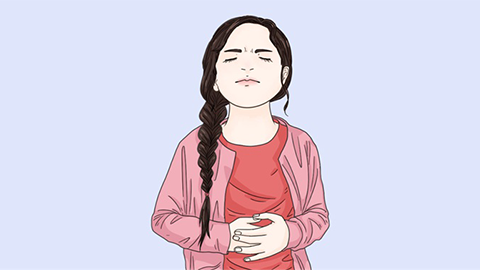
1. Dietary factors: Consuming excessive gas-producing foods such as sweet potatoes, soy products, carbonated beverages, etc., can lead to fermentation in the stomach, producing large amounts of gas and causing bloating. Additionally, eating too quickly or talking while eating may cause excessive air intake, resulting in belching. Adjust your diet and reduce the intake of gas-producing foods. Eat slowly and chew food thoroughly; avoid eating quickly or talking while eating.
2. Cold exposure: Stomach exposure to cold air or excessive intake of cold foods may cause diaphragm spasms, resulting in food retention in the stomach and causing bloating and belching. Keep the stomach warm, avoid cold air exposure, and limit consumption of cold foods.
3. Functional Dyspepsia: Functional dyspepsia refers to weakened gastrointestinal motility, which causes food retention and gas production, leading to symptoms such as abdominal distension and belching, and may also be accompanied by loss of appetite. Follow medical advice to use medications such as domperidone tablets, omeprazole enteric-coated capsules, and mosapride citrate tablets to promote intestinal motility.
4. Chronic Superficial Gastritis: Chronic superficial gastritis is a chronic inflammation of the gastric mucosa caused by various pathogenic factors. Due to inflammatory irritation, symptoms such as stomach pain and belching may occur, which can affect normal digestion and absorption of food, leading to stomach bloating and belching, along with stomach pain. Under a doctor's guidance, medications such as ranitidine hydrochloride capsules, rabeprazole sodium enteric-coated tablets, and metronidazole tablets can be used to inhibit gastric acid secretion and treat infections.
5. Gastroesophageal Reflux Disease (GERD): GERD refers to the backflow of gastric juice into the esophagus, causing damage and inflammation to the esophageal mucosa. Common causes include gastrointestinal dysfunction and excessive gastric acid secretion. It may cause symptoms such as stomach bloating and belching, accompanied by acid regurgitation. Follow medical advice to use medications such as ranitidine hydrochloride tablets, colloidal bismuth pectin capsules, and sucralfate chewable tablets to inhibit gastric acid secretion.
Maintaining good daily habits and dietary practices can help prevent stomach bloating and belching.