


How to treat rhinitis, and what are the fastest and most effective methods?
Dec 23, 2024
Source: Cainiu Health

Dr. Lu Cheng
Introduction
Long-term use of nasal sprays containing vasoconstrictive agents, such as ephedrine spray, may lead to dependence and rebound dilation of the nasal mucosa, causing worsening nasal congestion. Prolonged exposure to environments with severe air pollution can easily irritate and damage the nasal mucosa, leading to chronic inflammation. It is recommended to improve the living environment and reduce exposure to irritants and allergens.
Generally speaking, there is no such thing as "how to treat rhinitis, the fastest and most effective methods." Rhinitis may be related to factors such as genetics, environment, weakened immunity, allergic rhinitis, and atrophic rhinitis. Treatment usually involves proper care, improvement of the living environment, medication, and surgery. Patients are advised to visit the hospital promptly and follow medical guidance for treatment. The detailed analysis is as follows:
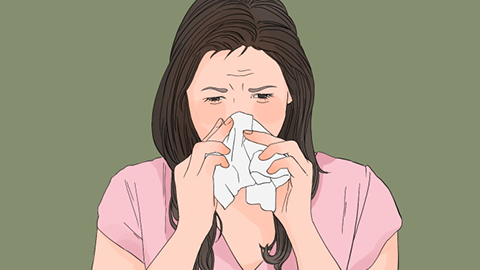
1. Genetics
Genetic predisposition is a significant factor in the development of rhinitis. If someone in the family suffers from rhinitis, other family members may also have an increased risk of developing the condition. Patients should avoid foods that might worsen rhinitis symptoms, such as spicy foods, alcohol, and coffee. Instead, they should consume more foods rich in vitamin C, protein, and minerals to enhance immunity.
2. Environment
Prolonged exposure to heavily polluted air can easily irritate and damage the nasal mucosa, leading to chronic inflammation. It is recommended to improve the living environment, reduce exposure to irritants and allergens, and wear a mask or use an air purifier in areas with poor air quality to effectively reduce pollutant inhalation.
3. Allergic Rhinitis
When individuals with allergic constitutions come into contact with allergens, their immune systems mistakenly identify these substances as harmful and produce an exaggerated response, releasing chemicals such as histamine, which causes nasal inflammation. Symptoms include nasal congestion, sneezing, and a runny nose. Patients should use medications such as Tongqiao Biyan tablets, mometasone furoate nasal spray, and compound theophylline ephedrine tablets under a doctor's guidance to aid recovery.
4. Drug-induced Rhinitis
Long-term use of nasal sprays containing vasoconstrictors, such as ephedrine nasal spray, may lead to nasal mucosal dependency and rebound dilation, worsening nasal congestion. Patients should stop using the medication causing the rhinitis, switch to saline nasal irrigation, and maintain nasal cleanliness and moisture.
5. Atrophic Rhinitis
The development of atrophic rhinitis may be related to genetic factors, autoimmune responses, or environmental factors. Nasal mucosal atrophy leads to reduced secretion from nasal glands, causing dryness and crusting in the nasal cavity, which can block the nasal passages and cause a sensation of nasal congestion. Patients with severe atrophic rhinitis can seek surgical treatment at a hospital, such as septoplasty, to improve nasal breathing.
During treatment, appropriate exercise, such as running or swimming, can help enhance immunity and promote recovery.



