Treatment Methods for Palmoplantar Pustulosis
Dec 23, 2024
Source: Cainiu Health

Dr. Liu Wenmin
Introduction
Palmoplantar pustulosis may be caused by various factors including environmental influences, psychological factors, localized skin infections, metal allergies, and immune system abnormalities. Improvement can be achieved through general treatments and pharmacological therapies. It is important to seek medical attention promptly and follow the treatment guidance provided by a physician. Regular skin care should be emphasized in daily life, keeping the affected areas clean and dry, avoiding scratching and friction, and preventing pustule rupture which may lead to secondary infection.
Generally, palmoplantar pustulosis may be caused by environmental factors, psychological factors, localized skin infections, metal allergies, immune system abnormalities, and other factors. General treatment and drug therapy can be used to improve the condition. It is important to seek medical attention promptly and follow medical advice for treatment. Specific information is as follows:
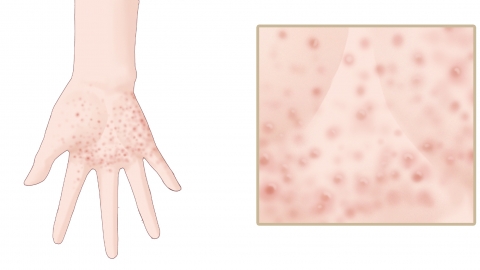
1. Environmental factors: Long-term exposure to humid and hot environments may easily irritate and macerate the skin, potentially damaging the skin barrier function, making the skin more susceptible to pathogen invasion or immune responses, thus triggering the disease. Avoid contact with possible triggering factors, such as irritating chemical substances, to reduce the risk of illness.
2. Psychological factors: Prolonged mental stress, anxiety, depression, and other negative emotional states may affect the regulation of the neuroendocrine system, leading to skin immune abnormalities and triggering palmoplantar pustulosis. It is important to adjust one's mindset, maintain a good psychological state, and relieve mental stress through methods such as psychological counseling and relaxation training.
3. Localized skin infection: Palmoplantar pustulosis may result from local trauma and poor wound hygiene, leading to bacterial or pathogenic infection of the wound. This can trigger a local inflammatory response, activate the immune system, disrupt the skin's immune balance, and cause palmoplantar pustulosis, accompanied by wound redness and swelling. Follow medical advice to use medications such as clarithromycin capsules, azithromycin capsules, acetylspiramycin tablets, etc., to kill pathogenic bacteria.
4. Metal allergy: If patients are allergic to metals such as nickel or chromium, contact with these metals may easily trigger allergic reactions, causing palmoplantar pustulosis and pustules. Under a doctor's guidance, use medications such as zinc oxide ointment, hydrocortisone cream, mometasone furoate cream, etc., to relieve itching and inflammation.
5. Immune system abnormalities: When the body's immune system is imbalanced, immune cells may mistakenly attack the body's own skin tissues, triggering inflammatory responses and leading to palmoplantar pustulosis, often accompanied by joint pain. Follow medical advice for drug treatment, such as transfer factor oral solution, tacrolimus capsules, methotrexate tablets, etc., to combat infection and suppress immunity.
In daily life, attention should be paid to skin care, keeping the affected areas clean and dry, avoiding scratching and friction to prevent pustule rupture and secondary infection.