How is palmoplantar pustulosis treated?
Dec 31, 2024
Source: Cainiu Health

Dr. Liu Wenmin
Introduction
Under normal circumstances, palmoplantar pustulosis may be related to genetic factors, environmental factors, immune system dysfunction, infections, and psoriasis. It can be treated or alleviated with general treatments, medication, and other approaches depending on the specific situation. It is recommended to seek timely medical attention, identify the cause, and undergo symptomatic treatment under a doctor's guidance. Additionally, maintaining a healthy diet and consuming more high-quality protein foods can aid in disease recovery.
Generally, palmoplantar pustulosis may be related to genetic factors, environmental factors, immune system dysfunction, infections, and psoriasis. Depending on the situation, general treatment and drug therapy may be used for treatment or relief. It is recommended to seek timely medical advice, identify the cause, and undergo symptomatic treatment under a doctor's guidance. A detailed analysis is as follows:
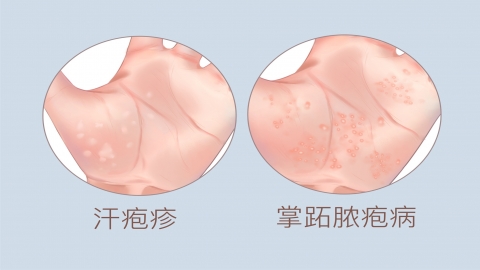
1. Genetic Factors
Some patients have a family history of the condition, and genetic factors may make individuals more sensitive to certain triggering factors, thereby increasing the risk of developing the disease. Attention should be paid to daily skincare and health management to reduce the risk of disease.
2. Environmental Factors
Remaining in a humid and hot environment for a prolonged period can easily irritate and macerate the skin, increasing the likelihood of developing palmoplantar pustulosis, accompanied by symptoms such as skin itching and swelling. It is recommended to keep the affected area clean and dry, avoid scratching and friction, and prevent pustules from rupturing and causing secondary infection.
3. Immune System Dysfunction
This may be caused by excessive fatigue, unhealthy lifestyle habits, etc., which can trigger inflammatory responses leading to palmoplantar pustulosis, possibly accompanied by symptoms such as erythema and hyperkeratosis. Patients may use medications such as methotrexate tablets, tripterygium wilfordii glycosides tablets, and cyclosporine soft capsules as directed by a physician.
4. Infections
Bacterial infections such as Staphylococcus aureus and streptococcus can trigger local inflammatory responses and activate the immune system, resulting in palmoplantar pustulosis, accompanied by symptoms such as pustules, redness, and pain. Patients may use medications such as terbinafine hydrochloride cream, luliconazole cream, and ciclopirox cream under medical guidance.
5. Psoriasis
This may be triggered by the combined effects of genetic and environmental factors. Palmoplantar pustulosis may be a special manifestation of psoriasis, possibly accompanied by symptoms such as erythema, scaling, and itching. Patients may use medications such as calcipotriol ointment, tacalcitol ointment, and tazarotene gel as directed by a physician.
Maintaining a healthy diet and consuming more high-quality protein foods such as legumes and lean meats can aid in disease recovery.