How is palmoplantar pustulosis effectively treated?
Dec 31, 2024
Source: Cainiu Health

Dr. Liu Wenmin
Introduction
The main causes of palmoplantar pustulosis include genetic factors, stress responses, smoking, metal allergies, and local infections. The treatment of palmoplantar pustulosis usually requires addressing the specific underlying causes, including pharmacological therapy, immune modulation, and also requires patients to maintain healthy lifestyle habits and a positive mindset. Patients with palmoplantar pustulosis should pay attention to skin care and prevent secondary infections caused by pustule rupture.
The main causes of palmoplantar pustulosis include genetic factors, stress responses, smoking, metal allergy, and local infections. The treatment of palmoplantar pustulosis generally requires addressing the specific causes, including pharmacological treatment and immune modulation. At the same time, patients need to maintain healthy lifestyle habits and a positive mindset. Detailed analysis is as follows:
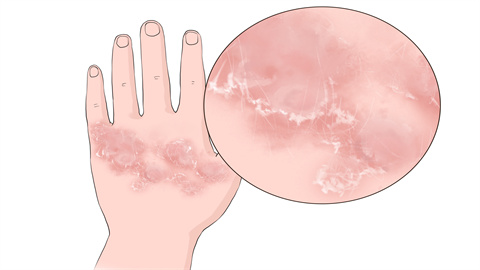
1. Genetic factors: Some patients have a familial predisposition. Genetic factors may make individuals more sensitive to certain triggering factors, thereby increasing the risk of developing the disease. Symptoms can be alleviated by following medical advice to use medications such as calcipotriol ointment, tretinoin cream, and tacalcitol ointment.
2. Stress response: The condition of patients with palmoplantar pustulosis may worsen due to stress responses such as emotional stress or skin trauma. Stress may lead to immune system imbalance, thus triggering or exacerbating the inflammatory response. Treatment methods include adjusting one's mindset, maintaining a positive and optimistic mood, engaging in appropriate relaxation activities, and using immunomodulators such as methotrexate tablets, cyclosporine capsules, and tacrolimus ointment as directed by a physician to balance the immune system.
3. Smoking: Nicotine in tobacco products can affect skin cells, causing inflammatory reactions and thereby increasing the risk of developing palmoplantar pustulosis. Smoking can also reduce the body's resistance, making it easier for viruses to invade. It is recommended to quit smoking to reduce nicotine-induced skin damage.
4. Metal allergy: Allergy to metals such as nickel and chromium is another common pathological factor in palmoplantar pustulosis. After contact with these metals, patients may experience allergic reactions leading to skin inflammation and pustule formation. Contact with allergens should be avoided, and medications such as cetirizine hydrochloride tablets, loratadine tablets, and promethazine hydrochloride tablets can be used to reduce the inflammatory response.
5. Local infection: Bacterial, viral, or fungal infections may trigger palmoplantar pustulosis. These pathogens can induce local inflammatory responses, activate the immune system, disrupt the immune balance of the skin, and create conditions conducive to the development of palmoplantar pustulosis. Symptoms may include erythema around the pustules, hyperkeratosis, and skin desquamation. It is recommended to use anti-infective treatments under a physician's guidance, such as cefazolin sodium for injection, acyclovir tablets, and fluconazole tablets.
Patients with palmoplantar pustulosis should pay attention to skin care, maintain cleanliness and dryness of the affected areas, avoid scratching and friction, and prevent secondary infections caused by rupture of pustules.