How is a cervical os polyp treated?
Dec 24, 2024
Source: Cainiu Health

Dr. Zhang Lu
Introduction
In general, cervical os polyps may be caused by factors such as hormonal fluctuations, cervical mucosal hyperplasia, cervical injury, cervical pathogen infection, or chronic cervicitis. Measures such as general treatment and medication can be taken to improve the condition. During treatment, it is important to follow medical advice, take medications as prescribed, and pay attention to adjusting lifestyle habits and dietary habits to promote recovery.
Generally, cervical polyps may be caused by factors such as hormonal fluctuations, cervical mucosal hyperplasia, cervical injury, pathogen infection, chronic cervicitis, and so on. General treatment, medication, and other measures can be taken to improve the condition. Prompt medical consultation is recommended, and treatment should be conducted under medical guidance. Details are as follows:
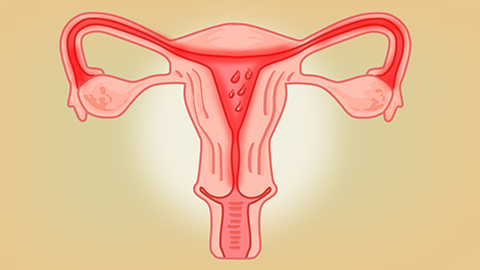
1. Hormonal fluctuations: Fluctuations in hormone levels, especially increased estrogen levels, can stimulate endocervical hyperplasia. If this hyperplasia persists, it may gradually protrude outward and form a polyp. Cervical polyps caused by hormonal fluctuations can be monitored regularly without special treatment.
2. Cervical canal mucosal hyperplasia: The cervical mucosa may undergo hyperplasia when affected by chronic inflammation or physical irritation. If this hyperplasia persists and protrudes outward, a polyp may form. If the polyp is small and asymptomatic, regular observation is recommended. If the polyp enlarges or causes symptoms, surgical treatment may be considered.
3. Cervical injury: Medical procedures such as induced labor, childbirth, or abortion may cause cervical tissue damage. During the healing process, the injured cervical tissue may undergo hyperplasia and form a polyp, possibly accompanied by cervical pain. Treatment options include cervical repair, cervical cerclage, laser therapy, and other surgical procedures, as directed by a physician.
4. Cervical pathogen infection: After infection of the cervix by pathogens, an inflammatory response may occur in the cervical mucosa. Under the stimulation of inflammation, cervical mucosal hyperplasia may develop, forming a polyp, often accompanied by increased cervical discharge. Anti-infective medications such as Cefotaxime capsules, Levofloxacin Hydrochloride capsules, or Azithromycin capsules may be used as directed by a physician.
5. Chronic cervicitis: Chronic cervicitis is a common cause of cervical polyps. Long-standing chronic inflammation can stimulate cervical mucosal hyperplasia, forming polyps, often accompanied by cervical congestion. Anti-inflammatory medications such as Baofukang suppositories, Metronidazole suppositories, or Ribavirin capsules may be used under medical guidance.
During treatment, it is important to follow medical instructions, take medications regularly, and maintain healthy lifestyle and dietary habits to promote recovery.