


How is proctitis treated?
Dec 24, 2024
Source: Cainiu Health

Dr. Li Jingxiang
Introduction
In general, proctitis may be caused by factors such as foreign body injury, improper diet, medication effects, ulcers, Crohn's disease, and other reasons. It is recommended to seek timely medical attention, identify the underlying cause, and then proceed with recovery through general treatment, medication, or surgical intervention under the guidance of a qualified physician. When treating proctitis, patients should choose appropriate treatment methods according to their individual conditions.
Generally, proctitis may be caused by foreign body injury, improper diet, medication effects, ulcers, Crohn's disease, and other factors. It is recommended to seek timely medical attention, identify the underlying cause, and then proceed with recovery under the guidance of a qualified physician through general treatment, medication, or surgical intervention. A detailed analysis is as follows:
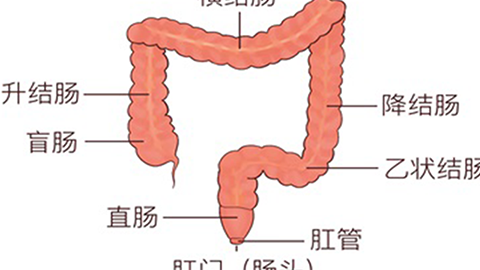
1. Foreign Body Injury
Sharp, undigested objects such as bones, fish bones, or splinters may puncture the rectal mucosa to some extent, causing bacterial infection and resulting in proctitis. It is recommended to avoid hard foods, and if discomfort symptoms occur, seek medical attention promptly.
2. Improper Diet
Consumption of overly spicy or irritating foods may stimulate the rectal mucosa and potentially lead to proctitis. It is advisable to avoid spicy foods and maintain a bland diet in daily life. If discomfort symptoms arise, seek timely medical care.
3. Medication Effects
The toxicity of certain medications may damage the rectal mucosa and subsequently trigger inflammation to some extent. Symptoms may include diarrhea, anal discomfort, and rectal bleeding. It is recommended to seek medical attention promptly, discontinue the medication, and use medications such as aspirin effervescent tablets, hydrocortisone tablets, or acetaminophen tablets as directed by a physician.
4. Ulcers
An ulcer refers to a deeper defect formed after the necrotic tissue on the skin or mucous membrane separates. It can cause the immune system to abnormally attack the intestinal mucosa, leading to proctitis. Symptoms may include diarrhea, abdominal pain, and rectal bleeding. It is recommended to seek timely medical attention and use medications such as mesalazine enteric-coated tablets, prednisolone tablets, or cyclosporine capsules as directed by a physician.
5. Crohn's Disease
Crohn's disease is a chronic inflammatory granulomatous disease. Non-specific granulomas appearing in the intestinal wall and mesenteric lymph nodes can lead to proctitis. Symptoms may also include diarrhea, rectal bleeding, weight loss, and others. It is recommended to control inflammation as directed by a physician, using medications such as dexamethasone tablets, infliximab injection, or prednisolone acetate tablets. Surgical removal of the affected tissue may be necessary in some cases.
When treating proctitis, it is important to choose an appropriate treatment method based on individual circumstances, while maintaining healthy lifestyle habits and a positive mindset.






