


How is obstructive lung disease treated?
Dec 10, 2025
Source: Cainiu Health

Dr. Ren Yi
Introduction
Obstructive lung disease generally refers to chronic obstructive pulmonary disease (COPD). The management of COPD primarily involves smoking cessation, pharmacological control, oxygen therapy, rehabilitation training, and management of complications. Long-term, standardized interventions are required to slow disease progression. If symptoms such as worsening dyspnea, purulent sputum, or fever occur, prompt medical attention is necessary.
Obstructive lung disease generally refers to chronic obstructive pulmonary disease (COPD). The management of COPD centers on smoking cessation, pharmacological control, oxygen therapy, rehabilitation training, and complication management. Long-term, standardized interventions are required to slow disease progression. Immediate medical attention should be sought if symptoms such as worsening shortness of breath, purulent sputum, or fever occur.
1. Smoking Cessation: Smoking is the primary cause of COPD. Complete avoidance of cigarettes, secondhand smoke, and thirdhand smoke is essential. Smoking cessation medications or professional support may be necessary to reduce airway irritation and damage, thereby halting disease progression.
2. Pharmacological Management: Medications such as bronchodilators and corticosteroids are selected based on disease severity to relieve airway spasms, reduce inflammation, and improve respiratory function. These must be taken regularly as prescribed; dosage adjustments should not be made without medical advice.
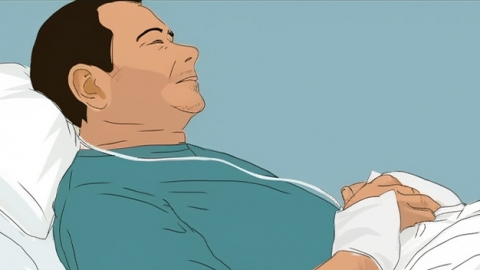
3. Oxygen Therapy: Patients with severe disease require long-term home oxygen therapy to maintain adequate blood oxygen saturation, reduce organ damage caused by hypoxia (especially to the heart and lungs), and improve quality of life. Oxygen concentration and duration must strictly follow medical recommendations.
4. Rehabilitation Training: Includes breathing exercises and moderate physical activity to strengthen respiratory muscles, improve ventilation efficiency, and enhance exercise tolerance. Programs should be carried out progressively under professional guidance.
5. Complication Management: Proactively prevent and treat complications such as pulmonary infections and respiratory failure. Regular pulmonary function tests are recommended to allow timely adjustment of treatment plans and minimize health risks associated with complications.
Daily care involves maintaining indoor ventilation and appropriate temperature and humidity levels, while avoiding exposure to irritants such as dust and smoke. A light, easily digestible, and nutritionally balanced diet is recommended, with adequate intake of protein and vitamins. Maintaining regular sleep patterns, avoiding fatigue, and managing emotional well-being also contribute to effective disease control.



