


What are the symptoms of red eye disease?
Dec 25, 2024
Source: Cainiu Health

Dr. Wang Shuai
Introduction
"Red eye disease" usually refers to acute or subacute bacterial conjunctivitis. In typical cases, acute or subacute bacterial conjunctivitis may present with symptoms such as redness of the eye, increased discharge, pain, photophobia, and light sensitivity. Patients are advised to seek timely medical examination at a hospital and undergo symptomatic treatment under the guidance of a physician. Additionally, maintaining good personal hygiene habits and avoiding contact with known allergens is recommended.
Conjunctivitis usually refers to acute or subacute bacterial conjunctivitis. In general, acute or subacute bacterial conjunctivitis may present symptoms such as red eyes, increased eye discharge, pain, photophobia, and light sensitivity. Patients are advised to seek timely medical examination at a hospital and undergo symptomatic treatment under the guidance of a physician. A detailed explanation is as follows:
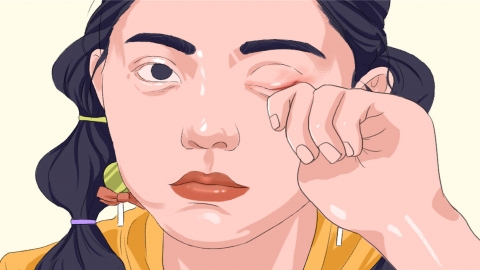
1. Red eyes: The conjunctiva is a transparent membrane covering the surface of the eyeball. When infected or irritated, it becomes congested and red, potentially causing red eyes and resulting in acute or subacute bacterial conjunctivitis. This symptom typically occurs together with other symptoms.
2. Increased discharge: Patients may experience significant eye discharge, which can be watery, mucoid, or purulent, depending on the type of infecting microorganism. Excessive discharge may make it difficult to open the eyes, and upon waking in the morning, the eyes may even be sealed shut by the discharge.
3. Pain: Inflammation associated with acute or subacute bacterial conjunctivitis can irritate the conjunctiva, causing eye pain. The severity of the pain varies among individuals but is usually quite noticeable, affecting the patient's normal daily activities and work.
4. Photophobia: Patients may experience heightened sensitivity to light, making it difficult to look directly at sunlight or bright lights. Even under normal indoor lighting, discomfort may occur. Photophobia may cause frequent blinking or squinting, which can further affect vision.
5. Tearing: Inflammation of the conjunctiva can trigger an increased tear production as a protective response to eye irritation, helping to flush the ocular surface. Persistent tearing may further exacerbate the discomfort in the eyes.
During treatment, patients should use medications such as chloramphenicol eye drops, ganciclovir eye drops, and ofloxacin eye drops as directed by a physician. At the same time, maintaining good personal hygiene and avoiding contact with known allergens is recommended.








