


What to do about congenital kidney qi deficiency
Dec 25, 2024
Source: Cainiu Health

Dr. Yang Guang
Introduction
If congenital kidney insufficiency is caused by genetic factors or developmental issues during pregnancy, it can usually be regulated and improved through dietary adjustments, regular作息 (作息 should be translated as "lifestyle routines"), appropriate exercise, traditional Chinese medicine (TCM) regulation, and acupuncture therapy. If any abnormalities occur, prompt medical consultation is recommended. These methods should be implemented gradually, without expecting quick results. During the regulation process, close attention should be paid to changes in the body.
If kidney qi deficiency is caused by heredity, developmental issues during pregnancy, or other congenital factors, it can generally be improved and regulated through dietary adjustments, regular作息, appropriate exercise, Chinese herbal medicine regulation, and acupuncture treatments. If abnormalities occur, timely medical consultation is recommended. Detailed analysis is as follows:
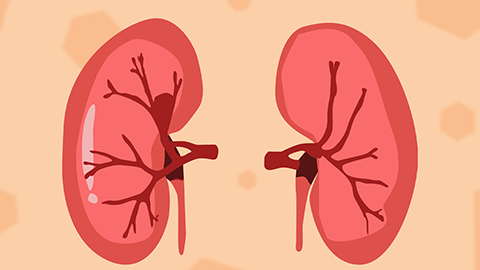
1. Dietary adjustment: Maintain a bland diet and consume more kidney-nourishing foods such as black beans, black sesame seeds, walnuts, gorgon fruit, and Chinese yam. At the same time, avoid eating spicy and greasy foods, which may consume yin essence and worsen kidney deficiency symptoms.
2. Regular作息: Ensure sufficient sleep, go to bed early and wake up early, avoid staying up late, and allow the body adequate rest and recovery. Additionally, manage emotions effectively, maintain a cheerful mood, reduce negative emotions such as anxiety and tension, and avoid emotional distress that may impair kidney qi.
3. Appropriate exercise: Engage in appropriate aerobic exercises such as jogging, tai chi, and yoga, which can help strengthen physical fitness and enhance kidney qi. Exercise can improve blood circulation and, to some extent, alleviate kidney qi deficiency.
4. Regulation with Chinese herbal medicine: Under the guidance of a qualified TCM practitioner, kidney qi-enhancing herbs such as Codonopsis (Dang Shen) and Astragalus (Huang Qi) can be taken, as well as patent medicines such as Liu Wei Di Huang Wan and Jin Kui Shen Qi Wan. These medications can help alleviate symptoms of kidney qi deficiency, but attention should be paid to drug interactions and contraindications, and dosage should not be adjusted without consultation.
5. Acupuncture treatment: Under the supervision of a qualified TCM practitioner, acupuncture can be performed on kidney meridian points such as Guanyuan and Taixi. Electroacupuncture stimulation can enhance kidney qi and improve kidney qi deficiency. Acupuncture therapy is suitable for patients who are unwilling to accept medication or have contraindications to drugs.
These methods should be implemented gradually without rushing for quick results. During the regulation process, close attention should be paid to changes in the body.


