


How to treat acne scars on the face
Dec 25, 2024
Source: Cainiu Health

Dr. Liu Wenmin
Introduction
After the skin is stimulated by inflammation, it is prone to local tissue infection, leading to skin damage. Frequent scratching or squeezing of the affected skin can further aggravate the inflammatory response, causing loss of collagen in the dermis, formation of acne scars, and accompanied by redness and swelling of the skin. Under the guidance of a physician, medications such as Cefamandole Nafate Capsules, Loratadine, and Itraconazole Capsules can be used for anti-infective and anti-allergic treatments.
Under normal circumstances, acne scars on the face may be caused by improper diet, inadequate skin care, skin inflammation, Propionibacterium acnes infection, folliculitis, and other factors. General treatments and medication can be used for improvement. It is important to seek medical advice promptly and follow the doctor's instructions. Details are as follows:
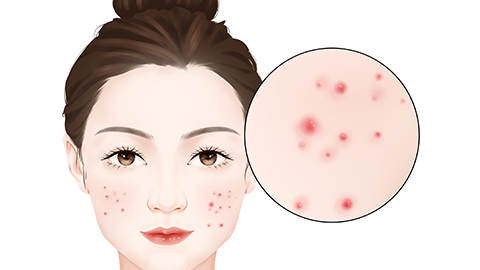
1. Improper diet: Long-term consumption of spicy foods, whose irritating components can cause excessive sebum secretion, clogged pores, and acne breakouts. During the acne development phase, scratching or squeezing with hands can further damage the skin, leading to loss of collagen in the dermis and resulting in acne scars. Adjust your diet by avoiding high-sugar, high-fat, and spicy foods while increasing intake of fruits and vegetables. Improvement can also be achieved through laser therapies, such as fractional laser and picosecond laser treatments.
2. Neglecting skin care: Prolonged use of cleansing products containing irritating ingredients or failure to cleanse the skin promptly at night can lead to clogged pores and acne. Inadequate skin care can also damage the skin barrier, making it more susceptible to external irritants, thereby worsening acne formation and scar development. Choose mild, non-irritating skin care products and maintain clean skin. Regular skin care, including appropriate cleansing and moisturizing, should be performed.
3. Skin inflammation: After experiencing inflammation, the skin is prone to localized tissue infection and damage. Frequent scratching or squeezing of the affected skin can exacerbate the inflammatory response, causing loss of collagen in the dermis, acne scars, and skin redness and swelling. Under a doctor's guidance, medications such as cefadroxil capsules, loratadine, and itraconazole capsules can be used for anti-infective and anti-allergic treatments.
4. Propionibacterium acnes infection: Propionibacterium acnes is the primary bacteria causing acne. When excessive sebum is secreted within the hair follicles, it creates a favorable environment for the growth of Propionibacterium acnes. The bacteria can stimulate excessive keratinization and proliferation of the follicular epithelium, leading to impaired sebum drainage and the formation of comedones. After the comedones resolve, acne scars may remain on the skin. Follow medical advice to use medications such as minocycline hydrochloride tablets, doxycycline hydrochloride tablets, and erythromycin ointment for antibacterial purposes.
5. Folliculitis: Folliculitis is an inflammatory reaction of the hair follicles, usually caused by bacterial infection. When hair follicles become infected, localized redness, pain, and pustule formation can occur. If not treated promptly or appropriately, acne scars may remain on the skin after the pustules subside. Use medications such as mupirocin ointment, fusidic acid cream, and compound polymyxin B ointment as directed by a physician to eliminate bacteria and promote inflammation resolution.
Maintaining good daily habits and dietary practices can effectively prevent the formation of acne scars.



