


What is the most effective treatment for shoulder periarthritis?
Dec 25, 2024
Source: Cainiu Health

Dr. Chen Jian
Introduction
Prolonged desk work, carrying heavy objects, and intense physical exercise may cause overuse of the soft tissues around the shoulder joint, leading to local inflammation and resulting in periarthritis of the shoulder. The shoulder joint should be given adequate rest to avoid overuse. Appropriate functional exercises, such as finger wall-climbing and swinging the arm with elbow flexion, can help restore the function of the shoulder joint.
Generally, there is no definitive answer to the question of "what is the most effective treatment for shoulder periarthritis." Shoulder periarthritis may be caused by excessive use of the shoulder joint, exposure of the shoulder to cold, rotator cuff injury, long head of the biceps tendonitis, cervical spondylosis, and other factors. Improvement can be achieved through general treatments, medication, and other measures. Prompt medical attention is necessary, and treatment should follow medical advice. Details are as follows:
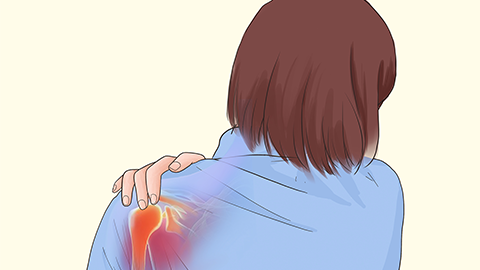
1. Excessive use of the shoulder joint: Long-term desk work, carrying heavy objects, and vigorous physical exercise may cause overuse of the local soft tissues in the shoulder joint, leading to localized inflammation and shoulder periarthritis. The shoulder joint should be allowed adequate rest to avoid overuse. Appropriate functional exercises, such as wall climbing with fingers and elbow flexion swinging, can help restore shoulder joint function.
2. Exposure of the shoulder to cold: Cold weather or prolonged exposure of the shoulder to cold environments can affect local blood circulation in the shoulder joint, causing microcirculatory disorders, which may lead to soft tissue inflammation and shoulder periarthritis. It is important to keep the shoulder warm and avoid getting chilled. Electrical therapy can be used to improve blood circulation and alleviate pain and inflammation.
3. Rotator cuff injury: The rotator cuff consists of tendons around the shoulder joint, including the supraspinatus, infraspinatus, teres minor, and subscapularis muscles. When these tendons are injured, an inflammatory response occurs, leading to shoulder periarthritis and shoulder pain. Under a doctor's guidance, anti-inflammatory medications such as celecoxib capsules, meloxicam tablets, and prednisone acetate tablets can be used for treatment.
4. Long head of biceps tendonitis: The long head of the biceps tendon is located on the front side of the shoulder joint. When the tendon is worn or injured, an inflammatory response occurs, leading to shoulder periarthritis and shoulder swelling. Medications such as aspirin tablets, ibuprofen tablets, and indomethacin suppositories can be used as directed by a physician to reduce pain.
5. Cervical spondylosis: Cervical spondylosis can cause nerve root compression, resulting in shoulder pain and restricted movement. If left untreated for a long time, it may lead to shoulder periarthritis. In addition to shoulder pain and limited mobility, symptoms such as neck pain, stiffness, and arm numbness may also be present. Pain relief and nerve nourishment medications such as eperisone hydrochloride tablets, flurbiprofen plaster, and mecobalamin tablets should be used as directed by a physician.
Maintaining a healthy lifestyle and good dietary habits in daily life can help prevent the occurrence of shoulder periarthritis.




