


How to treat underarm odor (bromhidrosis)
Dec 25, 2024
Source: Cainiu Health

Dr. Liu Wenmin
Introduction
Axillary osmidrosis may be caused by genetic factors, unhealthy lifestyle habits, endocrine disorders, abnormal hyperplasia of sweat glands, localized infections, metabolic diseases, and other factors. It can generally be treated through improvements in lifestyle habits, local hygiene and care, medication, or surgery. The specific treatment method should be selected according to the underlying cause.
Fox odor is also known as bromhidrosis. The occurrence of axillary bromhidrosis may originate from genetic factors, unhealthy lifestyle habits, endocrine disorders, abnormal hyperplasia of sweat glands, local infections, metabolic diseases, and other factors. It can usually be treated through improved lifestyle habits, local hygiene care, medication, or surgery. The specific treatment method should be selected according to the underlying cause. Detailed analysis is as follows:
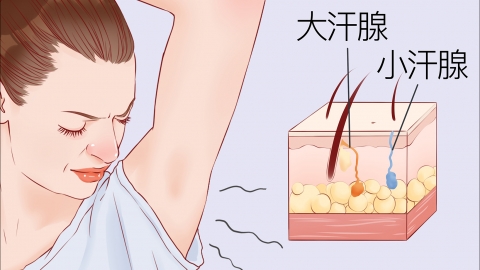
1. Genetic factors: The occurrence of bromhidrosis is somewhat influenced by genetics. If there is a family history of bromhidrosis, the likelihood of an individual developing the condition may increase. It is recommended to maintain good personal hygiene, use antiperspirants or deodorants for local care, and consider surgical treatment such as minimally invasive surgery to remove the apocrine glands when necessary.
2. Unhealthy lifestyle habits: Long-term neglect of personal hygiene and dietary habits involving spicy and greasy foods may exacerbate bromhidrosis. It is recommended to improve lifestyle habits, maintain a regular schedule, eat a light diet, and keep the underarms clean regularly.
3. Endocrine disorders: When the body's endocrine system is imbalanced, it may lead to abnormal sweat gland secretion, increasing the risk of bromhidrosis. Symptoms may include mood swings and menstrual disorders. It is recommended to adjust lifestyle habits, and when necessary, follow medical advice to use medications such as propylthiouracil tablets, methimazole tablets, and propranolol hydrochloride tablets for treatment.
4. Local infection: Bacterial infections in areas such as the armpits, for example, Staphylococcus aureus infection, may worsen symptoms of bromhidrosis. Accompanying symptoms may include redness, pain, and itching. Treatment should follow medical advice to use antibacterial medications for local or systemic treatment, such as erythromycin ointment, amoxicillin capsules, and cefixime dispersible tablets.
6. Diabetes: Diabetes may be related to genetic and obesity factors. A prolonged state of high blood sugar may cause metabolic abnormalities in the body, triggering or worsening bromhidrosis. Symptoms may include increased thirst, frequent urination, weight loss, and palpitations. Treatment may follow medical advice to use medications such as metformin hydrochloride tablets, gliclazide sustained-release tablets, and repaglinide tablets to control the condition.
In daily life, it is important to maintain a regular schedule and diet, pay attention to personal hygiene, and regularly clean and care for the underarms to reduce the occurrence and worsening of bromhidrosis.



