


What should I do if my child has a cold and is vomiting?
Dec 26, 2024
Source: Cainiu Health

Dr. Zhou Xiaofeng
Introduction
In general, possible causes of colds accompanied by vomiting in children may include a sensitive pharyngeal reflex, improper diet, gastrointestinal-type cold, acute gastroenteritis, and sinusitis. It is recommended to seek timely medical attention and follow the doctor's guidance for treatments such as general care and medication. In daily life, parents should pay attention to their child's dietary hygiene and avoid consumption of contaminated food.
Generally, the causes of vomiting in children with colds may include sensitive pharyngeal reflex, improper diet, gastrointestinal-type cold, acute gastroenteritis, and sinusitis. It is recommended to seek timely medical attention and follow a doctor's guidance for treatments such as general care and medication. Detailed explanations are as follows:
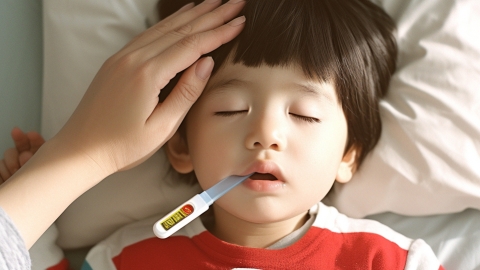
1. Sensitive Pharyngeal Reflex
Children have a more sensitive pharyngeal reflex compared to adults. When a cold causes discomfort or irritation in the throat, such as coughing or phlegm, it can easily trigger the vomiting reflex. In daily life, maintain moist indoor air and avoid excessive dryness that may irritate the throat. When a child has a cold, soothe their emotions promptly, reduce severe coughing, and encourage appropriate water intake to alleviate throat discomfort.
2. Improper Diet
During a cold, children's digestive functions are weakened. Consuming greasy or hard-to-digest foods can increase the burden on the gastrointestinal system, leading to vomiting. In such cases, provide children with bland and easily digestible foods, such as porridge or noodles. Avoid cold or greasy foods to reduce gastrointestinal strain.
3. Gastrointestinal-Type Cold
A gastrointestinal-type cold may be caused by a virus that affects not only the upper respiratory tract but also gastrointestinal function. The gastrointestinal mucosa becomes congested and edematous, with increased peristalsis, leading to vomiting. This may be accompanied by symptoms such as diarrhea and fever. Follow medical advice to use medications such as oseltamivir granules, domperidone tablets, and oral rehydration salts III for treatment.
4. Acute Gastroenteritis
Acute gastroenteritis is usually caused by bacterial or viral infections, with unclean food being a common trigger. Inflammation of the gastrointestinal mucosa leads to digestive dysfunction and vomiting. Symptoms such as abdominal pain, fever, and reduced appetite may also occur. Under a doctor's recommendation, medications such as cefixime granules, montmorillonite powder, and Bifidobacterium quadruple active tablets may be used for treatment.
5. Sinusitis
Sinusitis may be associated with upper respiratory tract infections, as viruses or bacteria can easily invade the sinuses, causing sinusitis. Increased sinus secretions flow backward into the throat, causing irritation and vomiting. Symptoms such as nasal congestion, purulent nasal discharge, and headache may also occur. Under a doctor's guidance, medications such as amoxicillin and clavulanate potassium granules, mometasone furoate nasal spray, and triamcinolone acetonide nasal spray may be used for treatment.
In daily life, parents should pay attention to children's dietary hygiene, avoiding consumption of unclean food; maintain moist indoor air to reduce throat irritation; and encourage regular physical activity to enhance children's immunity, thus preventing colds and related symptoms.




