


Should a child with a fever of 38°C take antipyretic medication?
Dec 26, 2024
Source: Cainiu Health

Dr. Zhou Xiaofeng
Introduction
In general, fever refers to an elevated body temperature. Whether a child with a fever of 38°C should take antipyretic medication usually depends on the child's specific condition. If the child has no other discomfort, antipyretic medication is generally not necessary. However, if the child experiences additional symptoms, medication should be taken under a doctor's guidance. At the same time, close attention should be paid to the child's mental status and changes in symptoms.
Generally speaking, fever refers to an elevated body temperature. Whether a child with a temperature of 38°C needs to take antipyretics usually depends on the child's specific condition. If the child has no other discomfort, antipyretics are usually not necessary. However, if the child presents with other symptoms, antipyretics should be taken under a doctor's guidance. Detailed analysis is as follows:
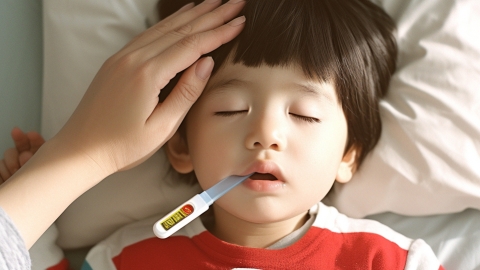
A temperature of 38°C falls within the range of low-grade fever, and taking antipyretics immediately is usually not recommended. If the child only has mild fever without other obvious discomfort, such as good activity level and normal appetite, antipyretics may not be necessary. Parents can initially apply physical cooling methods, such as wiping the body with lukewarm water or using cooling patches to help dissipate heat. At the same time, encourage the child to drink more water, ensure sufficient rest, dress appropriately, and maintain good indoor ventilation.
However, if the child has a fever of 38°C accompanied by other symptoms such as poor mental status, rapid breathing, vomiting, or if the temperature remains above 38.5°C, it is important to consult a doctor promptly and consider taking antipyretics under medical guidance. Commonly used antipyretics for children include acetaminophen oral suspension, ibuprofen suspension, and Xiao'er Chai Gui Tui Re Granules.
When administering antipyretics to children, parents must strictly follow the dosage instructions based on the child's weight or age as recommended by the doctor or specified in the medication instructions to avoid overdose. Close attention should also be paid to the child's mental status and changes in symptoms.




