


How is superficial gastritis treated?
Dec 27, 2024
Source: Cainiu Health

Dr. Shen Yonghua
Introduction
In general, superficial gastritis may be related to physiological aging of the gastric mucosa, physiological irritation of the gastric mucosa, Helicobacter pylori infection, drug-induced gastritis, bile reflux gastritis, and other factors. It is recommended to seek timely medical attention, identify the underlying cause, and undergo symptomatic treatment under the guidance of a qualified physician. In daily life, avoiding overeating, binge eating, and consuming irritating foods can help the body recover.
Generally, superficial gastritis may be related to physiological aging of the gastric mucosa, physiological irritation of the gastric mucosa, Helicobacter pylori infection, drug-induced gastritis, bile reflux gastritis, and other factors. It is recommended to seek timely medical consultation to identify the underlying cause and receive symptomatic treatment under the guidance of a qualified physician. Detailed analysis is as follows:
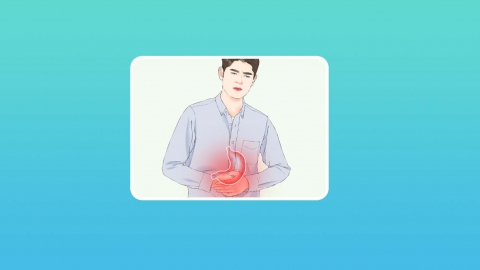
1. Physiological Aging of the Gastric Mucosa
With increasing age, the physiological structure and function of the gastric mucosa may gradually change, leading to degenerative alterations to a certain extent, manifested as mild inflammation of the gastric mucosa. It is recommended to adjust dietary structure and increase intake of dietary fiber to maintain the health of the gastric mucosa.
2. Physiological Irritation of the Gastric Mucosa
Long-term overeating or consumption of spicy and irritating foods, and other不良 eating habits can irritate the gastric mucosa and trigger mild inflammation. It is recommended to maintain regular eating habits and choose bland, easily digestible foods to protect the gastric mucosa.
3. Helicobacter pylori Infection
Helicobacter pylori infection is usually caused by unhygienic food or water. H. pylori adheres to the surface of gastric mucosal epithelial cells and releases toxins and enzymes that damage the gastric mucosa and stimulate inflammatory responses from the immune system. It is often accompanied by symptoms such as bad breath, nausea, and vomiting. Treatment may include medications such as clarithromycin capsules, amoxicillin capsules, and colloidal bismuth pectin capsules, as directed by a physician.
4. Drug-Induced Gastritis
Drug-induced gastritis is usually associated with long-term use of non-steroidal anti-inflammatory drugs (NSAIDs). These drugs can trigger inflammatory reactions by inhibiting the repair mechanisms of the gastric mucosa or directly damaging gastric mucosal cells. Symptoms may include nausea, stomach discomfort, and reduced appetite. Treatment may involve medications such as omeprazole enteric-coated capsules, rabeprazole sodium enteric-coated tablets, and bismuth potassium citrate granules, as prescribed by a doctor.
5. Bile Reflux Gastritis
Bile reflux gastritis is usually caused by dysfunction of the pyloric sphincter and other factors. Bile flows back from the duodenum into the stomach, damaging the gastric mucosal barrier and triggering inflammatory reactions. Symptoms may also include epigastric discomfort, bitter taste in the mouth, and acid regurgitation. Treatment may involve medications such as hydrotalcite chewable tablets, domperidone tablets, and ranitidine hydrochloride capsules, as directed by a physician.
In daily life, maintaining regular eating habits and a healthy lifestyle, avoiding overeating and intake of irritating foods, can help the body recover.





