


Are patients with liver disease suitable for eating pears?
Dec 30, 2024
Source: Cainiu Health

Dr. Gao Jun
Introduction
In general, patients with liver disease can consume pears appropriately, but should pay attention to moderation. Patients with liver disease should maintain a balanced intake of various foods and avoid high-fat, high-sugar, and high-salt diets to reduce the burden on the liver. At the same time, spicy, fried, barbecued, and other irritating foods may exacerbate liver inflammation. Therefore, patients with liver disease should avoid them as much as possible.
Generally, patients with liver disease can benefit from eating pears, but they should be consumed in moderation. The detailed explanation is as follows:
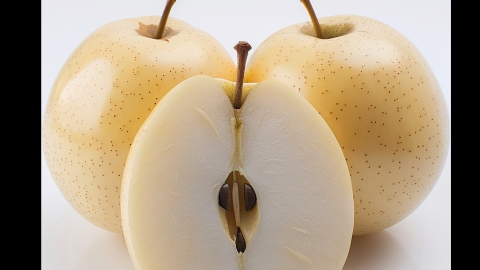
Pears are rich in various nutrients, including vitamin C, dietary fiber, vitamin K, and multiple minerals. These nutrients help maintain normal liver function and promote liver health. Vitamin C can facilitate the synthesis of liver glycogen and aid in the utilization of folic acid and iron. It also helps protect liver cells from damage caused by free radicals and oxidative stress. Dietary fiber promotes intestinal motility and improves digestive function, thereby reducing the burden on the liver and assisting it in detoxification and waste metabolism. Additionally, pears have a diuretic effect, which helps eliminate excess water and toxins from the body, further reducing the liver's detoxification workload. However, excessive consumption of pears may cause discomfort such as diarrhea and abdominal pain. Therefore, pears should be consumed in moderation.
A balanced intake of various foods should be maintained in daily diet, while avoiding high-fat, high-sugar, and high-salt foods, in order to reduce the burden on the liver.





