


What causes hoarseness in the throat?
Dec 31, 2024
Source: Cainiu Health

Dr. Lu Cheng
Introduction
In general, hoarseness refers to a condition in which the voice loses its original clarity and brightness, becoming low-pitched, raspy, or even lost entirely. Possible causes include vocal cord fatigue, environmental factors, acute laryngitis, vocal cord polyps, and reflux laryngitis. It is recommended to avoid speaking continuously for long periods or shouting loudly in daily life, and to rest the vocal cords appropriately.
Generally speaking, the throat refers to the pharynx and larynx. Hoarseness refers to the loss of the original smoothness and clarity of the voice, which becomes low-pitched, hoarse, or even voiceless. Possible causes include vocal cord fatigue, environmental factors, acute laryngitis, vocal polyps, and reflux laryngitis. If discomfort occurs, timely medical consultation is recommended. Detailed analysis is as follows:
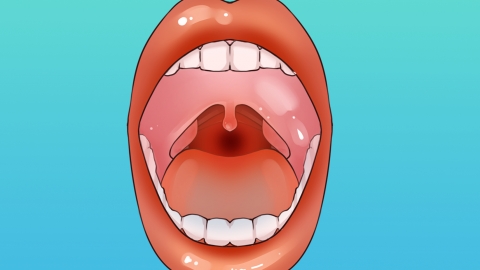
1. Vocal Cord Fatigue
The vocal cords are the main organs responsible for voice production. Overuse or improper use can lead to vocal cord fatigue, which affects voice quality. Avoid speaking continuously for long periods or shouting loudly, and allow appropriate rest for the vocal cords; maintain adequate hydration to help lubricate the vocal cords.
2. Environmental Factors
Dry, cold, or heavily polluted environments may irritate the mucous membranes of the throat and larynx, leading to vocal cord damage and hoarseness. In cold or dry environments, wear a scarf or mask to protect the throat, and keep indoor air humidified; reduce exposure time in polluted environments and wear a mask if necessary.
3. Acute Laryngitis
Acute laryngitis may be caused by viruses or bacteria such as influenza virus or streptococcus. Inflammation leads to vocal cord congestion and edema, thus affecting voice production. Accompanying symptoms may include sore throat, cough, and fever. Medications such as Amoxicillin Capsules, Oseltamivir Capsules, and Compound Sarcandra Glabra Tablets may be used under a doctor's guidance for treatment.
4. Vocal Polyps
Vocal polyps may be related to long-term overuse or improper use of the vocal cords, such as excessive shouting or singing, which can easily lead to the formation of benign growths on the surface of the vocal cords. These growths interfere with vocal cord vibration, causing hoarseness. Symptoms may include difficulty in speaking and a foreign body sensation in the throat. Severe cases may require surgical removal of the polyps, and medications such as Cefradine Capsules, Dexamethasone Sodium Phosphate Injection, and Penicillin V Potassium Tablets may be used under medical guidance to prevent infection.
5. Reflux Laryngitis
Reflux laryngitis may occur when gastric contents such as gastric acid flow back into the throat, irritating the laryngeal mucosa. Damage to the laryngeal mucosa affects vocal cord function, leading to hoarseness. Symptoms may also include throat discomfort, a burning sensation, and acid regurgitation. Treatment should follow medical advice and may include medications such as Omeprazole Enteric-coated Capsules, Hydrotalcite Chewable Tablets, and Domperidone Tablets.
To prevent this condition, it is recommended to avoid prolonged continuous speaking or loud shouting in daily life, and to allow appropriate rest for the vocal cords. Additionally, quitting smoking and alcohol consumption, reducing inhalation of irritant gases or dust, and protecting throat health are advised.





