


How to treat underarm odor
Dec 31, 2024
Source: Cainiu Health

Dr. Liu Wenmin
Introduction
The occurrence of underarm odor may be caused by factors such as developed sweat glands, unhealthy lifestyle habits, endocrine disorders, hyperhidrosis, and folliculitis. It can usually be managed through lifestyle improvements, maintaining personal hygiene, medication, or surgery. If abnormal symptoms occur, prompt medical attention is recommended. In daily life, one should maintain personal hygiene, regularly clean the underarm area, and change clothing.
Axillary odor may be caused by factors such as developed sweat glands, unhealthy lifestyle habits, endocrine disorders, hyperhidrosis, and folliculitis. Generally, it can be managed through lifestyle improvements, personal hygiene maintenance, medication, or surgery. If abnormal symptoms occur, timely medical consultation is recommended. Detailed analysis is as follows:
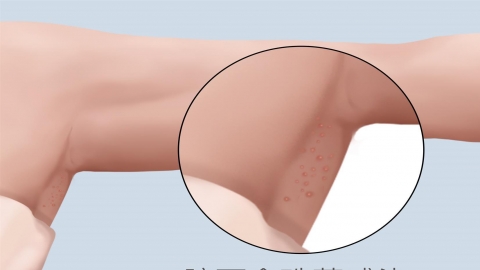
1. Developed Sweat Glands: The human armpit contains numerous apocrine sweat glands. If sweat secreted by these glands isn't cleaned promptly, it may react with bacteria on the skin surface and produce odor. The main management method involves maintaining personal hygiene, regularly washing the armpits, and using antibacterial or antiperspirant skincare products to reduce contact between sweat and bacteria.
2. Unhealthy Lifestyle Habits: Not showering or changing clothes for extended periods, or wearing tight, non-breathable clothing may cause sweat to remain in the armpit area and fail to evaporate promptly, thereby intensifying the odor. Improving lifestyle habits, such as showering regularly, changing clothes frequently, and wearing loose, breathable clothing, can help reduce axillary odor.
3. Endocrine Disorders: Irregular diet and lifestyle, or diseases may cause metabolic abnormalities in the body, leading to excessive sweating and odor. Symptoms may include mood swings and menstrual irregularities. It is recommended to adjust lifestyle habits, and when necessary, take medications such as propylthiouracil tablets, methimazole tablets, or propranolol hydrochloride tablets as directed by a physician.
4. Hyperhidrosis: Hyperhidrosis refers to excessive sweating, either generally or locally, beyond normal physiological needs. The armpits are a common site for hyperhidrosis. Excessive sweat reacting with bacteria can easily produce odor. Management methods include maintaining personal hygiene, using antiperspirants, and surgery, such as sweat gland excision, might be required for complete resolution.
5. Folliculitis: This may be caused by bacteria, fungi, or other pathogens, leading to redness, swelling, pain, and pus formation on the skin, accompanied by odor. It is recommended to use medications such as mupirocin ointment, fusidic acid cream, or compound polymyxin B ointment under medical guidance, while maintaining local cleanliness and dryness.
In daily life, maintaining personal hygiene, regularly washing the armpits and changing clothes, and wearing loose, breathable clothing can help reduce contact between sweat and bacteria. Additionally, maintaining healthy lifestyle and dietary habits can help reduce axillary odor production.



