


What are the harms of masturbation to the body?
Dec 31, 2024
Source: Cainiu Health

Dr. Yang Ziqi
Introduction
In general, masturbation refers to self-stimulation. Potential physical harms caused by masturbation may include psychological anxiety, physical fatigue, genital injury, sexual dysfunction, and impact on fertility. If discomfort occurs, it is recommended to seek timely medical consultation at a hospital and follow standardized treatment under a doctor's guidance. It is also advised to control the frequency of masturbation, enhance physical exercise, and improve overall physical health.
Generally speaking, masturbation refers to self-stimulation. Potential physical harms that excessive masturbation may cause include psychological anxiety, physical fatigue, genital injury, sexual dysfunction, and impact on fertility. If discomfort occurs, it is recommended to seek timely medical consultation at a hospital for standardized treatment under a doctor's guidance. The specific analysis is as follows:
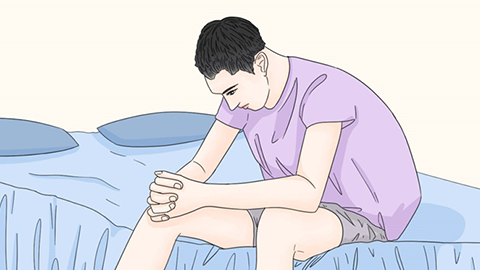
1. Psychological Anxiety
Frequent masturbation may lead individuals to experience emotions such as guilt, shame, or worry, which can trigger psychological stress and anxiety. These negative emotions can disrupt the balance of brain neurotransmitters, resulting in issues like difficulty concentrating and memory decline.
2. Physical Fatigue
Excessive masturbation may lead to physical fatigue, especially when this behavior becomes a significant part of daily life. It may consume substantial time and energy, causing a decline in physical function and symptoms such as soreness in the waist and knees, and weakness in the limbs.
3. Genital Injury
Frequent or excessive masturbation may cause injuries to the genital area, such as damage to the penile corpus cavernosum or urethral injury. This may result in symptoms including penile pain, swelling, and difficulty urinating.
4. Sexual Dysfunction
Long-term masturbation may keep the brain in an over-excited state, leading to sexual dysfunction, such as erectile dysfunction and premature ejaculation. These symptoms may affect the patient's sexual quality of life and potentially cause tension in marital relationships.
5. Impact on Fertility
If excessive masturbation continues over a long period, it may also affect sperm quality, thereby influencing fertility and reducing the chances of conception.
It is recommended to control the frequency of masturbation, engage in regular physical exercise, and improve overall physical health. Additionally, maintaining healthy lifestyle habits, ensuring adequate sleep, and avoiding excessive fatigue and mental stress are important.






