


Can soy milk be eaten with eggs?
Jan 07, 2025
Source: Cainiu Health

Dr. Yang Ziqi
Introduction
Soy milk is rich in plant protein, phospholipids, vitamins B1 and B2, niacin, and minerals such as iron and calcium. Particularly its calcium content, although not as high as that of tofu, is more abundant than that of any other dairy product. Eggs contain abundant animal protein, fat, vitamins, and minerals. Of particular importance is the protein found in eggs, which serves as a crucial component in the formation of human cells and tissues.
Under normal circumstances, soy milk can be consumed with eggs. The detailed analysis is as follows:
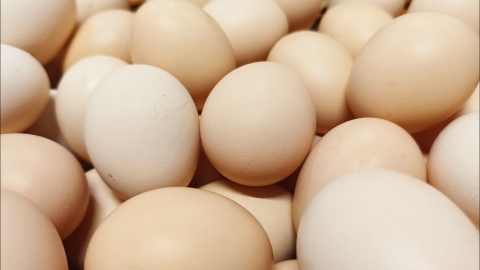
Soy milk is rich in plant protein, phospholipids, vitamin B1, B2, niacin, and minerals such as iron and calcium. Particularly in terms of calcium content, although it is not as high as in tofu, it is richer than any other type of milk. Eggs contain abundant animal protein, fat, vitamins, and minerals, especially proteins, which are important components in forming human cells and tissues.
Combining soy milk and eggs is reasonable. The animal protein in eggs complements the plant protein in soy milk, making the types of protein more diverse and enhancing their nutritional value. The dietary fiber in soy milk can promote intestinal motility, aiding in the digestion and absorption of cholesterol and protein from eggs. Additionally, both soy milk and eggs are rich in calcium, which plays a positive role in maintaining bone health.
When consuming these foods, moderation is recommended, as excessive intake may increase the burden on the gastrointestinal tract and even lead to nutritional excess. Before drinking soy milk, it must be heated to boiling. This is because raw soy milk contains harmful substances such as trypsin inhibitors and phytohemagglutinin, which can only be neutralized through boiling, thereby ensuring the safety of consuming soy milk.







